All Eyes Turn to Fed Chair Kevin Warsh’s First Rate Decisions
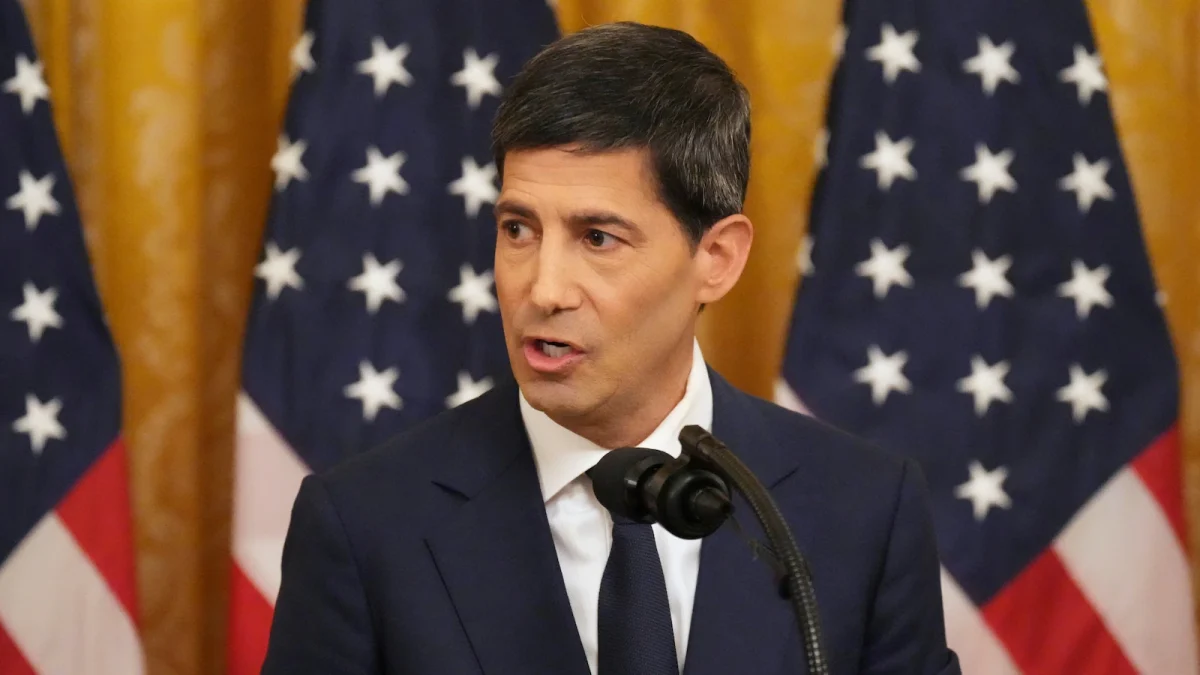
Tyunews.com – As the new Federal Reserve chair, Kevin Warsh has become the focal point of market attention, with investors and analysts eagerly awaiting his inaugural actions on interest rates. Since his confirmation in late January, the financial sector has been abuzz with discussions about his approach to monetary policy, which could redefine the Fed’s trajectory. The upcoming policy meeting and press conference will serve as critical moments to gauge whether Warsh will take a hawkish stance to combat inflation or adopt a dovish strategy to support economic growth. His first decisions may ripple through sectors like housing, consumer spending, and corporate lending, making his role pivotal in shaping the nation’s financial landscape.
Fed’s Balancing Act in a Volatile Economy
Warsh is stepping into a challenging role, where the Federal Reserve must navigate conflicting economic signals. Inflation, which has surged to a three-year high of 4.2% last week, remains a primary concern, driven by persistent energy price increases and supply chain bottlenecks. However, the labor market shows resilience, with employment figures continuing to climb and job creation rates holding steady. This dichotomy has left the Fed’s policymakers divided, as they debate the urgency of rate hikes versus the need for rate cuts to sustain economic activity. The outcome of this debate will likely hinge on Warsh’s ability to synthesize data and communicate a coherent vision for the central bank’s future.
“Kevin Warsh’s first rate decision will be a defining moment for the Fed’s credibility,” said Maria Sanchez, a senior analyst at Goldman Sachs. “Market participants are watching closely to see if he aligns with the traditional approach of data-driven adjustments or introduces a more aggressive stance to preempt inflation risks.”
Historically, the Fed has relied on a combination of economic indicators and forward guidance to set rates. Warsh’s strategy may emphasize data flexibility, as he aims to avoid the pitfalls of overly rigid policy frameworks. This approach could contrast with his predecessor, Jerome Powell, who often leaned on clear, proactive messaging. Analysts expect the Fed to maintain its benchmark rate at 3.6% for now, but subtle shifts in language or tone may signal future intentions. For instance, a focus on “data-dependent” decisions could hint at potential rate cuts in 2026, while a more cautious outlook might suggest prolonged high rates.
Global and Domestic Factors Shaping the Fed’s Outlook
While the U.S. economy sets the stage, global developments are also influencing the Fed’s decision-making. Recent tensions in the Middle East, including the U.S.-Iran agreement to ease restrictions on the Strait of Hormuz, have sparked optimism about energy supply stability. Conversely, the B-52 crash in California has raised concerns about defense spending and its broader economic implications. These events, though not directly tied to monetary policy, contribute to the market’s risk appetite and could affect investor sentiment during Warsh’s first major speech.
Additionally, the Fed’s inflation projections, set to be released on Wednesday, will provide further insight into its policy direction. Many economists argue that the central bank must strike a delicate balance between curbing inflation and avoiding a recession. If Warsh’s team updates the forecasts to reflect a more optimistic outlook, it could embolden markets to anticipate rate cuts. However, a conservative revision might signal continued caution, reinforcing the idea that the Fed is prioritizing price stability over growth. This will be a key test of his leadership and the effectiveness of his communication strategy.
“The Fed’s projections are a window into its thinking, and Warsh’s role in shaping them is crucial,” remarked David Kim, an economist at JPMorgan Chase. “His decisions will be evaluated not just on their immediate impact, but on how they align with long-term economic goals.”
As the meeting unfolds, the Fed’s officials will also address broader economic challenges, such as the housing market slowdown and the impact of high interest rates on consumer borrowing. Warsh’s emphasis on measured, strategic communication may help reduce market volatility, but it could also lead to increased uncertainty if his signals are interpreted as ambiguous. The coming weeks will be a litmus test for his ability to unify the Fed’s internal perspectives while reassuring external stakeholders about the central bank’s commitment to its mandate.
Preparing for the Future: A New Era of Fed Leadership
Warsh’s leadership style is expected to introduce a new dynamic within the Federal Reserve. Unlike Powell, who often took the spotlight with direct and unfiltered statements, Warsh appears to favor a more reserved, consensus-driven approach. This could lead to a shift in how the Fed interacts with the public, with fewer high-profile comments and more emphasis on collaborative decision-making. However, this strategy may also require more clarity in the face of market uncertainty, as the Fed’s forward guidance remains a key tool for managing expectations.
With the Fed’s recent policy statements highlighting a “wait-and-see” attitude, the market is likely to remain cautious. Warsh’s first moves will be scrutinized for consistency with this approach, as well as for any signs of a pivot toward more aggressive tightening. If the Fed’s decision to keep rates unchanged is accompanied by stronger language about inflation risks, it could signal a shift in focus toward preemptive measures. Conversely, a more dovish tone might suggest a willingness to ease monetary policy as the economy cools.