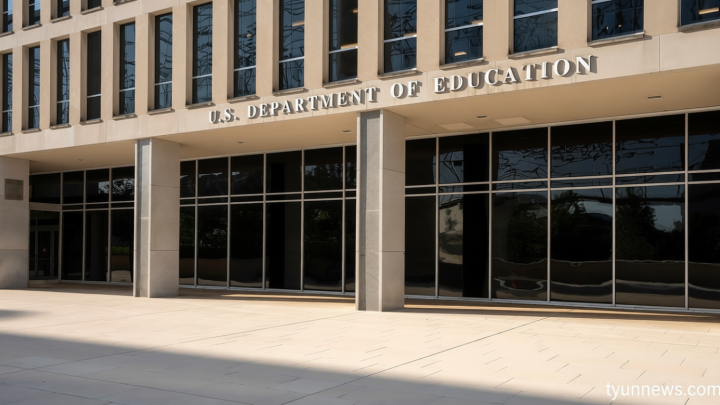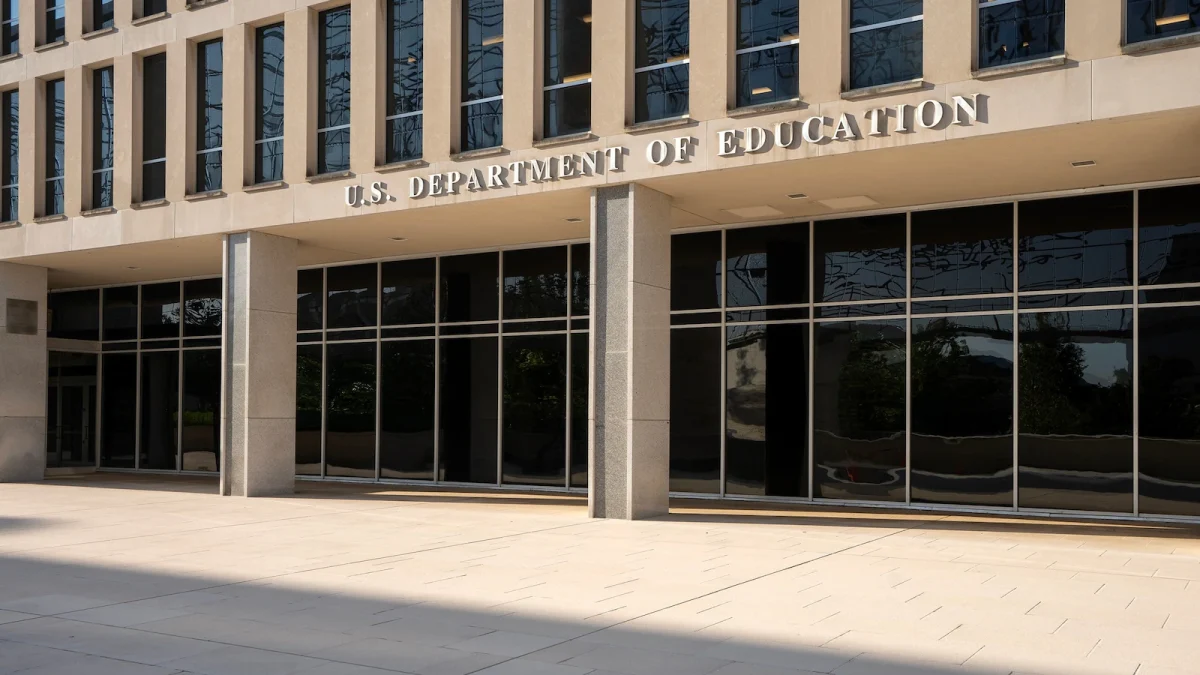
Department of Education Taking Major Step in Dismantling Itself: Sources
Tyunews.com – The Department of Education is reportedly taking a major step in dismantling its own structure, according to sources familiar with internal discussions. This reorganization, part of a broader effort to streamline federal agencies under the Trump administration, involves significant shifts in responsibility. Key aspects of the plan include transferring oversight of special education programs to the Health and Human Services Department (HHS) and placing civil rights enforcement under the Justice Department (DOJ). Such a move would mark a pivotal change in how education policies are managed, with implications for millions of students and families.
Key Details of the Restructuring Plan
According to the sources, the restructuring would see the Offices of Special Education Programming (OSEP) and Rehabilitative Services Administration (RSA) absorbed by HHS. These offices currently manage programs that provide critical support to children with disabilities, including funding under the Individuals with Disabilities Education Act (IDEA). The transition is expected to reduce the Education Department’s administrative burden but could also lead to potential gaps in service. Meanwhile, the DOJ would take over the responsibility of enforcing civil rights laws related to education, such as Title VI and Title IX, which address discrimination in schools based on race, gender, and other factors.
Details of the plan suggest that the Trump administration views the Department of Education as a sprawling agency with overlapping functions that hinder efficiency. By decentralizing these responsibilities, the move aims to align education policies more closely with other federal initiatives, such as healthcare and justice reforms. The decision has sparked debate among educators, advocates, and policymakers, with some arguing that the change could weaken protections for vulnerable student populations. However, supporters of the reorganization claim it will create a more agile and focused federal structure.
Impact on Students and Families
The Department of Education taking major steps to restructure its operations could affect 7 million students who rely on IDEA-funded programs. These services, which include individualized education plans and specialized learning resources, are critical for ensuring equitable access to education. Critics warn that transferring oversight to HHS might lead to a loss of expertise in educational needs, potentially delaying or reducing support for students with disabilities. Additionally, the shift to the DOJ for civil rights enforcement raises concerns about the potential for more stringent or less flexible policies in schools.
Analysts note that this reorganization reflects a long-term strategy to reduce the federal government’s role in education. The Trump administration has previously emphasized school choice and privatization, and this step could be seen as an extension of that philosophy. While the move may streamline decision-making, it also risks fragmenting the Department of Education’s ability to coordinate comprehensive educational policies. Advocates for students with disabilities fear the change could lead to inconsistent implementation of programs, impacting the quality of services provided.
President Donald Trump has long advocated for reducing the size and scope of federal agencies, including the Department of Education. In 2024, he campaigned on closing the agency to focus on core priorities such as education reform and school accountability.
The Department of Education taking major steps to dismantle itself is part of a larger trend of administrative consolidation. By reallocating resources to HHS and DOJ, the plan seeks to integrate education with other sectors, such as healthcare and legal services. However, this could also create challenges in maintaining the Department’s specialized focus on educational outcomes. For instance, the move might lead to increased bureaucratic hurdles for schools and educators, as they navigate new reporting requirements and oversight processes.