Economic Sentiment Sours as Midterm Elections Approach
Tyunews.com – With the United States now entering its fifth month of military engagement in Iran, citizens are expressing growing unease about financial conditions. The ongoing conflict has triggered oil supply disruptions, pushed energy costs higher, and contributed to rising inflation rates. Multiple surveys released this month reveal that most Americans feel anxious about purchasing expenses, view current economic conditions unfavorably, and anticipate further deterioration ahead.
This wave of pessimism arrives as the nation prepares for November’s midterm elections. according to available information, ‘s latest survey, only a quarter of respondents (23%) characterize the economy positively, while a commanding 77% offer negative assessments. Similar patterns emerged from Pew Research Center and Fox News polling, both showing approximately three-quarters of participants rating economic conditions negatively. Fox News specifically noted that 41% described the situation as poor.
Cost Concerns Dominate Public Opinion
Inflation registered a 3.5% increase in June relative to the previous year, marking an improvement from May’s 4.2% rate. Despite this moderation, Americans remain highly apprehensive about pricing. Pew’s survey revealed significant worry across multiple categories: healthcare costs drew concern from 69% of respondents, food and consumer goods from 66%, housing expenses from 64%, gasoline from 56%, and electricity from 54%.
Notably, anxiety regarding fuel prices has surged dramatically, climbing from just 34% in January to current levels. Meanwhile, other concern categories have remained relatively stable since early 2026. Political divisions also emerged, with Democrats demonstrating greater sensitivity than Republicans toward most economic challenges, particularly regarding unemployment and expenses related to healthcare, housing, and consumer products.
The Washington Post/Ipsos survey uncovered that 66% of Americans now consider groceries unaffordable, a substantial jump from 45% before hostilities commenced in February. CNN data indicated that roughly three-quarters of respondents experienced financial strain due to fuel costs, with more than one-fifth describing the hardship as severe. Additionally, a larger portion of Americans expressed uncertainty about whether President Trump possesses a coherent strategy for addressing rising gas prices.
Looking Ahead: Pessimism Prevails
Optimism appears scarce regarding economic prospects. The Washington Post/Ipsos poll demonstrated that Americans are more than twice as likely to predict worsening conditions (48%) compared to improvement (20%) over the coming year. Fox News reported similar trends, with 54% of registered voters expecting decline. Political breakdowns showed 75% of Democrats and 64% of independents anticipating trouble, while 71% of Republicans remained hopeful for recovery.
Quinnipiac’s findings reinforced this outlook, revealing that 59% of registered voters believe the economy is deteriorating, and 49% feel personally worse off financially than twelve months prior. Pew’s analysis showed even less confidence than at year’s beginning, with only 23% expecting better conditions a year from now, down from 31% in January.
This pessimism extends beyond immediate assessments. The Post/Ipsos survey found that 59% of Americans doubt their household’s capacity to elevate living standards, surpassing optimists by nearly twenty percentage points. Furthermore, economic inequality appears entrenched in public perception. Fox News reported that 65% believe the system favors wealthy Americans, an increase from 56% in 2019.
Trump Faces Economic Criticism
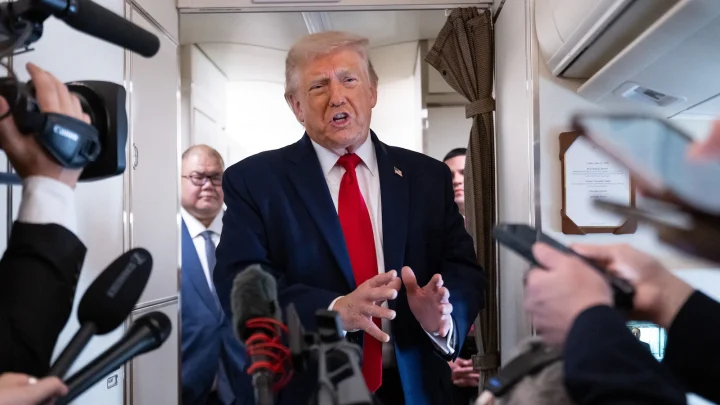
President Trump is receiving substantial blame for current economic challenges. CNN’s poll showed seven out of ten Americans disapproving of his economic management, matching a record high established earlier in the spring. This disapproval rate climbs to approximately eight out of ten among certain demographic groups.
Quinnipiac’s research found that 88% of voters identified inflation as a significant problem. Meanwhile, Fox News revealed that three-quarters of registered voters attributed financial hardship to inflation, with 34% experiencing serious difficulties—an eight-point increase from the previous year.
As the political landscape shifts, these economic concerns are likely to play a central role in voter decision-making. The combination of international conflict, rising costs, and perceived inadequate leadership has created an environment where economic anxiety dominates public discourse heading into the crucial midterm elections.