Trump administration unveils list of civil rights, climate change content removed from national parks
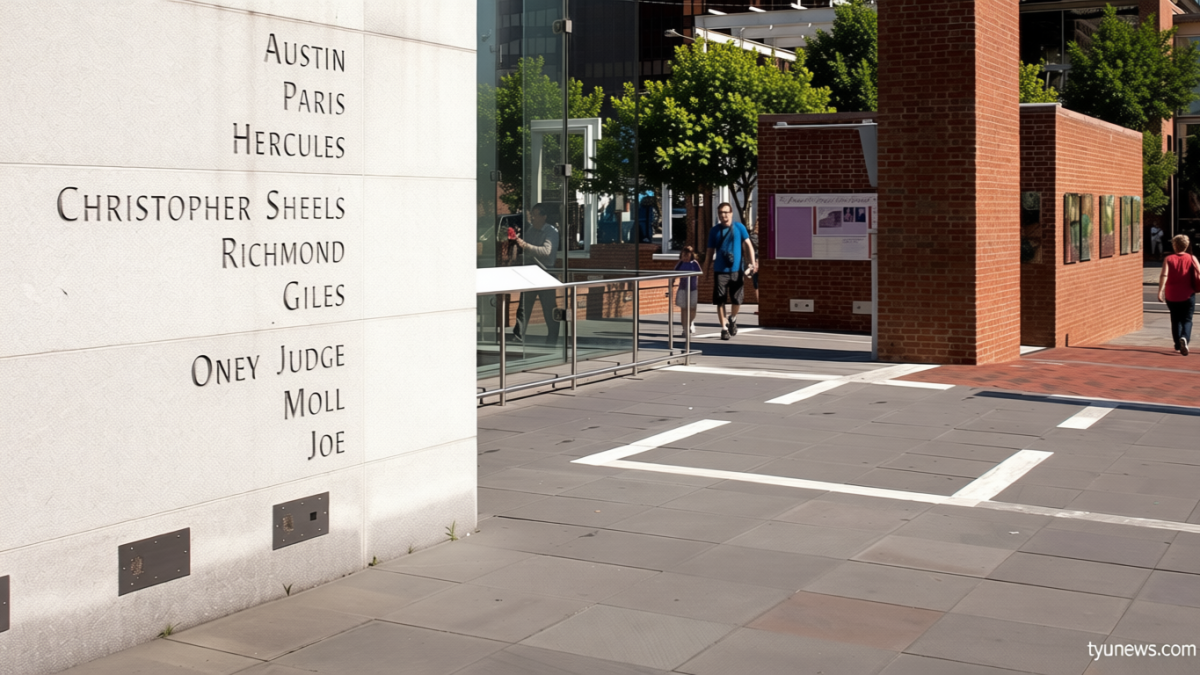
Tyunews.com – The Trump administration has published a comprehensive list of materials taken down from national parks across the country, including content related to civil rights, climate change, and scientific themes. This list was disclosed on Wednesday as part of a legal submission by multiple advocacy groups. The Interior Department is challenging a court order to restore these items ahead of the America 250 celebrations on July 4. The document details the nature of the removed items and their locations but does not include the actual content that the National Park Service (NPS) deemed objectionable. Examples cited include climate change signage at Acadia National Park in Maine and Jamaica Bay Wildlife Refuge in New York; civil rights exhibits at the National Mall in Washington, D.C., and the Medgar and Myrtle Evans Home National Monument in Jackson, Mississippi; and materials on slavery at the President’s House in Philadelphia, as well as women’s rights content at the Jamaica Bay Wildlife Refuge within the Gateway National Recreation Area.
Reasons for removal cited by the NPS
The National Park Service provided explanations for the removals, stating that materials addressing civil rights, diverse communities, scientific themes, and environmental issues were deemed to “disparage Americans past or living.” Science and environmental content were labeled “unrelated to the beauty, abundance, and grandeur of the national landscape.” A spokesperson for the Interior Department emphasized to ABC News that the administration is disputing the judge’s directive to restore the materials, arguing that politically charged language undermining the nation’s founding principles is inappropriate. “Under President Trump, we’ve encouraged visitors to engage with cultural and historical sites while reflecting on pivotal moments in our nation’s history,” the statement noted. The spokesperson also claimed the goal was to “fortify our collective understanding and ensure future generations inherit the truth of our shared journey.”
“National parks belong to the American people, and any form of censorship contradicts the values these spaces embody,” stated Alan Spears, a senior director at the National Parks Conservation Association, which joined the legal challenge.
Legal battle over historical narratives
In a recent Friday ruling, U.S. District Judge Angel Kelley ordered the reinstatement of the removed materials, labeling their removal a “dangerous precedent of censorship and sanitization.” She mandated the government to restore all items by July 3, prompting the administration to file a motion for an emergency stay to halt the process. The Trump administration argued that the restoration could undermine the original intent of the materials’ removal, which they claimed was to present a more “positive and unified” historical narrative. The decision to remove the content aligns with an executive order signed by President Donald Trump on March 27, 2025, directing the Interior Department to eliminate content that portrays the United States’ founding principles and historical milestones in a negative light.
The legal action was initiated in February by a coalition of groups advocating for historical preservation, national parks, and environmental integrity. They argue that the removal of these materials weakens the educational and cultural significance of the sites, particularly for visitors seeking diverse perspectives on American history. The coalition also highlights that the Trump administration’s list of civil rights and climate change content reflects a broader effort to reshape how historical events are presented in public spaces. As ABC News continues to gather input from the Interior Department and NPS, the case remains a central point in the debate over historical narratives and their portrayal in national parks.
Environmental advocates have raised concerns about the impact of removing climate change signage from parks like Acadia and Jamaica Bay. They argue that such materials are essential for educating the public about the ecological challenges facing the nation. Similarly, civil rights historians point out that exhibits at the National Mall and Medgar and Myrtle Evans Home National Monument offer critical insights into the fight for equality and justice in the United States. The Trump administration’s focus keyword, “Trump administration reveals list of civil,” is evident in the prioritization of these themes, with the NPS stating that the content was “inconsistent with the historical context” of the parks.
As the legal battle unfolds, the case has sparked discussions about the role of national parks in preserving and presenting American history. Supporters of the removal argue that the materials may have been biased or politically motivated, while opponents claim they represent an effort to erase important historical events. The administration’s list of civil rights and climate change content is seen as part of a strategy to align the parks with a specific historical perspective. This approach has drawn criticism from educators and historians who believe the parks should serve as neutral spaces for learning about all aspects of the nation’s past.