Federal Judge Labels DOJ Subpoenas ‘Extraordinarily Broad’ in Minnesota Immigration Case
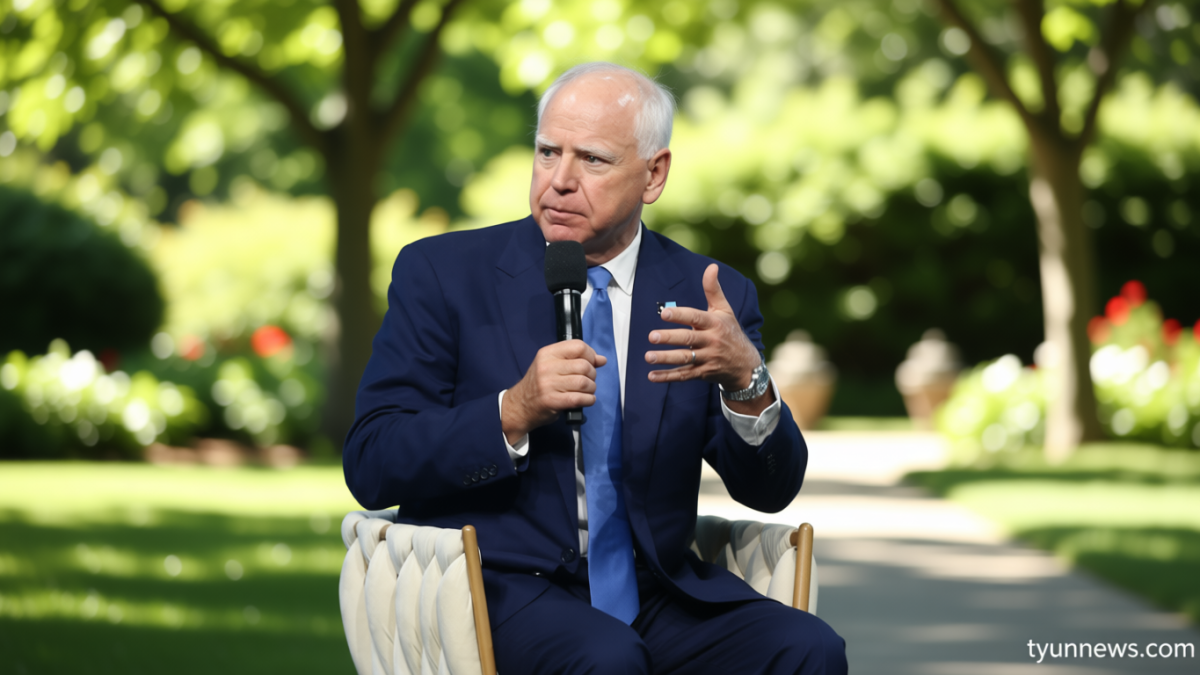
Tyunews.com – In a notable decision, a federal judge has labeled the Department of Justice’s (DOJ) subpoenas of Minnesota Governor Tim Walz as “extraordinarily broad,” dismissing the legal documents as an overreach in a case centered on the state’s collaboration with immigration enforcement. The ruling, issued by Chief Judge Patrick Schiltz of the Minnesota federal district court, marks a rare instance where the DOJ’s investigative tactics were challenged on the grounds of political pressure rather than direct criminal misconduct. The case, which involves the state’s role in an immigration surge linked to the Trump administration, has sparked debate over the balance between federal oversight and state autonomy.
Subpoenas as Political Retaliation
Chief Judge Schiltz emphasized that the DOJ’s subpoenas were part of a broader strategy to exert influence over state and local leaders who had resisted federal immigration policies. The legal opinion outlined how the Department had issued requests for materials related to constitutionally protected actions, such as the coordination of immigration enforcement between state and federal agencies. This, according to the judge, suggested that the subpoenas were not issued for investigative purposes but to “harass, coerce, and retaliate” against officials who opposed the Trump-era approach to immigration. The targeted individuals included Governor Walz, Minneapolis Mayor Jacob Frey, St. Paul Mayor Kaohly Her, Minnesota Attorney General Keith Ellison, and the Hennepin County Attorney’s Office.
“The Department has launched a significant incursion into matters reserved for sovereign states… one would expect they would not do so unless they had compelling evidence of criminal or suspicious behavior,” Schiltz stated in his ruling. The judge argued that the DOJ’s expansive demands could be seen as a form of political weaponization, leveraging legal tools to pressure officials into aligning with federal priorities.
Patterns of Retaliation and Legal Justification
Building on the argument of political bias, Schiltz pointed to a sequence of events that linked the DOJ’s actions to a clear pattern of retaliation. The judge highlighted how President Donald Trump had previously praised a “DAY OF RECKONING AND RETRIBUTION” for Minnesota, followed by the sudden leak of a federal investigation targeting Governor Walz and Minneapolis Mayor Frey just days later. This timeline, the judge asserted, illustrated a deliberate effort to use legal processes as a means of punishing officials who had been critical of federal immigration policies. He also critiqued the DOJ’s justification for the subpoenas, which relied on speculative connections rather than concrete evidence of wrongdoing.
Additionally, the ruling underscored the “extraordinarily broad” scope of the DOJ’s requests, which included documents related to ICE operations and state-level immigration decisions. Schiltz argued that these materials were not only essential for state governance but also protected under constitutional rights. The judge noted that the subpoena process had been used to extract information from officials who had been vocal in their support of state autonomy, suggesting that the DOJ’s demands were disproportionate to the case’s actual merits.
Parallel Rulings and Federal Court Trends
The decision aligns with a similar ruling by a federal judge in Washington, D.C., earlier this year, where subpoenas targeting former Federal Reserve Chairman Jerome Powell were dismissed for lacking clear evidence and exhibiting political bias. Schiltz’s order reinforces a growing trend among federal courts to scrutinize the DOJ’s use of broad investigative powers, particularly in cases involving high-profile political figures. This trend indicates that judges are increasingly willing to challenge the Department’s ability to bypass state authority in matters of immigration enforcement.
By calling the subpoenas “extraordinarily broad,” Schiltz has set a precedent that may influence future legal battles between federal agencies and state governments. The ruling has drawn attention to the potential for misuse of subpoena power, especially in politically charged environments. Legal analysts have noted that the decision could serve as a rallying point for state officials seeking to defend their independence from federal oversight. Meanwhile, the DOJ has yet to respond publicly, though the case highlights the tensions between federal law enforcement and state-level governance in the context of immigration policy.
The “extraordinarily broad” nature of the subpoenas has also raised questions about the limits of federal investigative authority. Critics argue that the DOJ’s ability to demand information from state officials without clear legal grounds could undermine the separation of powers. Supporters of the subpoenas, however, contend that the Department’s actions were necessary to uncover potential violations of immigration laws and ensure accountability. As the legal implications of the ruling take shape, the case remains a pivotal moment in the ongoing debate over federal power and state autonomy.