Trump is Taking Longer to Approve Disaster Aid, Highlighting Partisan Delays in Federal Relief
Tyunews.com – President Donald Trump has been criticized for significantly extending the timeline for approving disaster aid, a process that has become increasingly politicized under his administration. According to recent data, the average time taken to approve major disaster declarations has risen to over a month and a half, surpassing the pace of any previous president since the 1989 establishment of federal disaster criteria. This delay has disproportionately affected Democratic-leaning states, with a higher rate of denied applications compared to Republican-leaning regions, raising concerns about the fairness of federal aid distribution.
Since taking office, Trump has approved 65 major disaster declarations and rejected 25 requests from states, tribes, or territories. The Associated Press analysis reveals that his average approval time is now the longest on record, with a noticeable trend of partisan influence shaping these decisions. States that did not support Trump in the 2024 election have faced longer wait times and more frequent rejections, while Republican-aligned states have seen quicker approvals. This pattern suggests that the process of securing disaster relief is now being shaped by political considerations rather than purely by the severity of the crisis.
Partisan Divide in Disaster Aid Approvals
The administration’s approach to disaster aid has deepened the partisan divide, with a stark contrast in approval rates between Democratic and Republican governors. In Trump’s second term, 80% of applications from Republican governors were approved, whereas Democratic governors received approval for only around 60% of their requests. This represents a significant shift from the relatively neutral approach seen during the Obama administration, where approval rates for both political affiliations were nearly identical, with 87% for Democratic governors and 79% for Republican ones. The current system appears to favor states that align with the White House, while placing Democratic states at a disadvantage.
“The President’s denial of disaster aid applications is part of a growing pattern of partisanship, as he seeks to shift the burden of recovery onto states that support progressive policies,” stated a coalition of Democratic lawmakers in a recent press release. “Disaster aid should be a lifeline for communities in need, not a tool for political leverage.”
The comment underscores the growing perception that Trump’s delays are not just administrative but also ideological. Critics argue that this approach undermines the purpose of disaster relief, which is to provide timely assistance to areas affected by natural disasters, regardless of their political leanings.
White House spokesperson Abigail Jackson defended the administration’s process, stating that the thorough review ensures federal resources are used efficiently. “Each application is assessed based on its merits, and the President’s team is committed to delivering aid where it is most needed,” she explained. However, data from the Federal Emergency Management Agency (FEMA) indicates that the time between a disaster declaration and the approval of aid has increased, with some states now waiting over two months for final decisions. This contradicts the claim that the process is merit-based and has led to calls for greater transparency and accountability.
Impact of Delayed Aid on Communities and Infrastructure
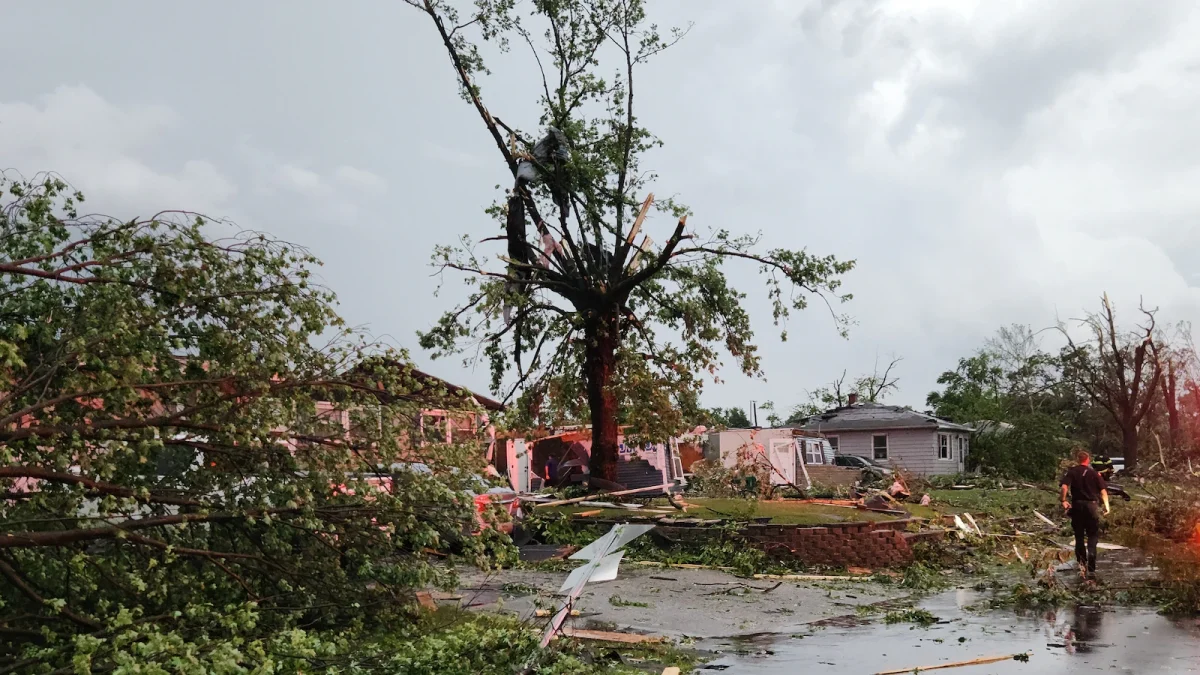
Extended approval timelines for disaster aid have real-world consequences for communities reliant on federal assistance. Local governments, businesses, and residents often face financial strain while waiting for aid to be finalized, compounding the challenges of recovery. In states like Rhode Island and New York, where natural disasters have caused widespread damage, the wait time has led to increased pressure on state budgets and slower rebuilding efforts. “Without timely federal support, we’re forced to allocate limited resources to cover immediate needs, which can delay long-term recovery,” said a spokesperson for the National Association of State Budget Officers.
The trend of delayed approvals has also raised questions about the efficiency of the federal response. During the first term, Trump’s administration approved a greater share of applications from states that opposed him than those that supported him. However, the second term has seen a reversal of this trend, with a wider gap in approval rates. For example, in 2020, 76% of applications from states that did not support Trump were approved, but by 2024, that number had dropped to 58%. This shift highlights a potential politicization of the process, with critics arguing that it has created a system where political loyalty outweighs disaster severity.
While the White House emphasizes the importance of due diligence in aid approvals, some analysts suggest that the process has become more cumbersome under Trump. The average time to approve disaster aid in his second term is over 45 days, compared to the under-20-day average during previous administrations. This delay has forced many states to rely on emergency funds or private loans, which often come with higher interest rates and less flexibility. The impact is particularly severe in regions prone to frequent natural disasters, where prompt federal support is crucial for long-term resilience.