Gavin Newsom Proposes National ‘Billionaires’ Tax’ After Opposing State Initiative
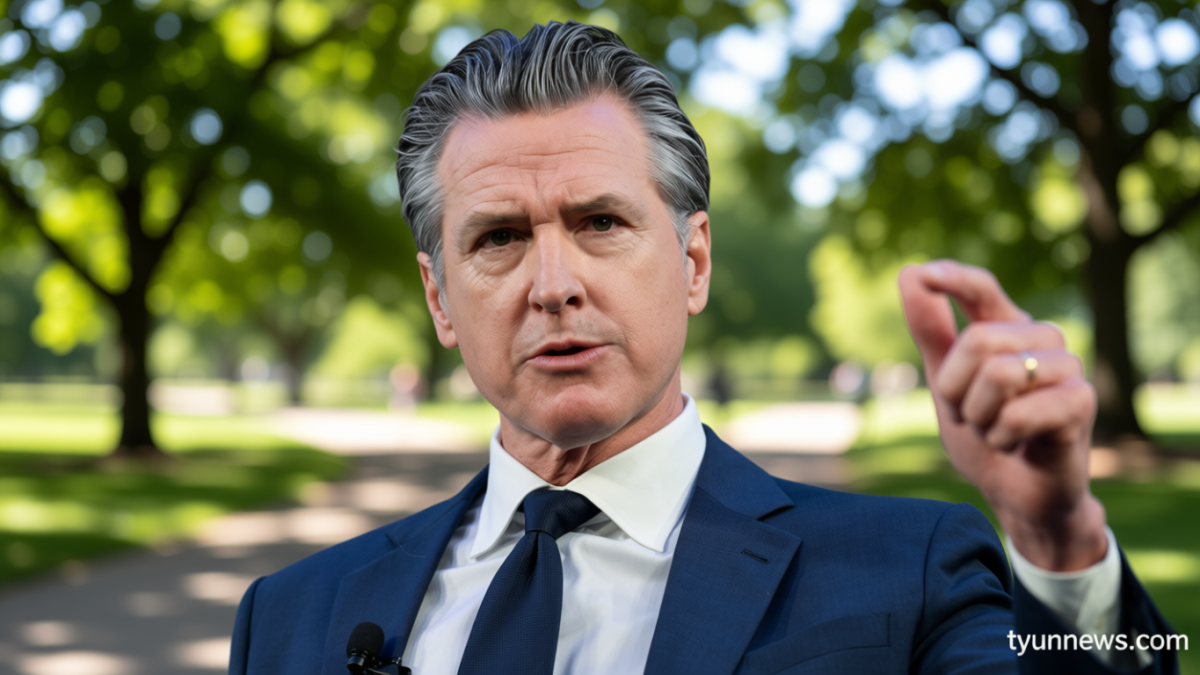
Tyunews.com – California Governor Gavin Newsom, who has been preparing to run for the presidency, unveiled a federal-level “billionaires’ tax” proposal on Friday. This came just a day after a state wealth tax measure, which he has consistently opposed, secured its place on the November ballot. The state’s initiative would impose a one-time 5% tax on individuals with assets exceeding $100 million, a policy Newsom argues could be circumvented by wealthy individuals relocating to other states.
Newsom’s plan focuses on establishing a federal minimum tax rate targeting those with over $100 million in wealth. He emphasized that the current state-level approach might not be effective, as it allows billionaires to shift their assets to avoid taxation. “Wealth is movable, and it shops for the state with the lowest taxes,” he wrote in a Substack post, suggesting the issue should be addressed at the national level rather than state by state.
“Over the next twenty years, this country will live through the largest intergenerational wealth transfer in human history, with roughly $124 trillion changing hands. If we do not act, that transfer of wealth among the ultra-wealthy will lock in a permanent American aristocracy of inherited wealth,”
Newsom added, highlighting his concerns about the long-term impact of wealth inequality. The state’s own billionaire tax, introduced by the SEIU-UHW union, was a response to healthcare funding reductions under Trump’s “Big Beautiful Bill.” However, it faced resistance from Newsom, Democratic nominee Xavier Becerra, and major lobbying groups.
The measure has drawn significant opposition from billionaires, who have invested heavily in campaigns to block it. A nonprofit organization supporting initiatives to overturn the tax, Building a Better California, has raised over $118 million in total, with $80 million coming from Google co-founder Sergey Brin. Newsom acknowledged the “anxiety driving the wealth tax proposal in California,” but maintained his stance against it, citing concerns about how the revenue would be allocated.
Newsom pointed out that the state’s initiative dedicates most of the tax revenue to healthcare services, which he believes may not address broader systemic issues. “We can’t let a single advocacy organization, however well-intentioned, write the state’s tax code on its own terms,” he wrote, criticizing the SEIU-UHW’s approach. Meanwhile, political analysts noted that the proposal could serve as strategic positioning for Newsom’s potential presidential run.
California Democratic Rep. Ro Khanna, another 2028 contender, joined Newsom in Washington, further signaling the growing interest in addressing wealth disparities at the federal level. The debate over the billionaires’ tax reflects a larger conversation about tax policy and its role in shaping economic equity.