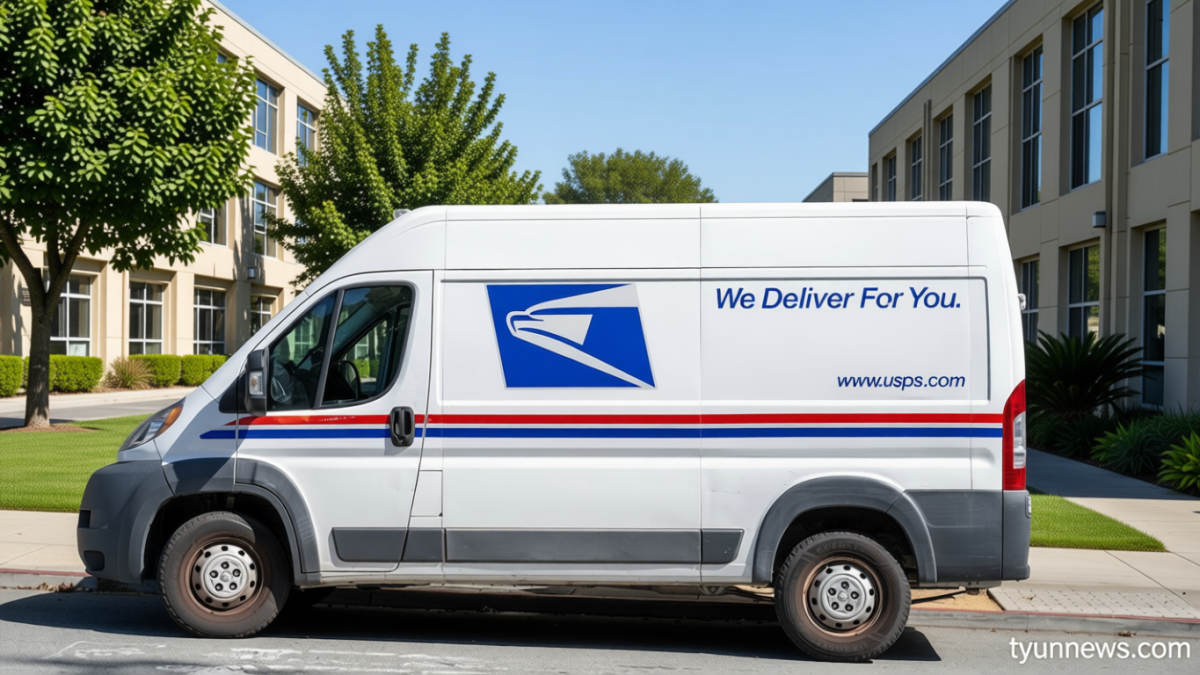
Postal Service to Halt Ballot Deliveries if States Refuse Voter Lists under Trump Plan
Tyunews.com – The U.S. Postal Service (USPS) has announced it will not deliver mail-in ballots to states that fail to provide approved voter lists as part of a proposed federal rule under the Trump administration. This policy, outlined by Postmaster General David Steiner during a Senate Homeland Security and Governmental Affairs Committee hearing, would require states to submit updated voter data before ballots can be sent out, raising concerns about potential delays in the voting process. The rule is part of a broader effort to increase federal oversight of elections, with critics arguing it could undermine state autonomy and impact voter turnout.
Implementation and Requirements of the Proposed Rule
Under the new proposal, the USPS would need states to provide detailed information, including names, addresses, and ballot barcode numbers, to ensure accurate distribution of mail-in ballots. Steiner emphasized that this data is essential for verifying recipients and preventing errors, but he acknowledged that the requested information is less comprehensive than full voter rolls. The policy aims to streamline the delivery process, ensuring ballots are only sent to registered voters, though some experts warn it could create bottlenecks if states struggle to comply with the federal requirements.
Steiner defended the policy as a necessary measure to enhance the security and efficiency of mail-in voting. “We will move those ballots in accordance with whatever rule is in effect at that point in time,” he said during the hearing, highlighting the flexibility of the proposal. However, the USPS has not yet finalized the rule, with a public comment period ongoing for the next week. This allows for potential adjustments before the policy is implemented, but the timeline for finalization remains unclear.
Political Reactions and Constitutional Concerns
Democrats have expressed strong opposition to the rule, calling it a constitutional violation and a tool to influence election outcomes. Senator Gary Peters, a Democrat from Michigan, challenged Steiner directly, asking:
“Yes or no — if a state refuses to turn their absentee voter list over to the federal government, will the Postal Service still mail their ballots under this proposed rule?”
Steiner’s response underscored the USPS’s commitment to following federal guidelines, but the question highlights the tension between state control and federal intervention in the electoral process.
Senator Elissa Slotkin, also a Democrat from Michigan, argued that the policy is part of a larger strategy to federalize elections.
“The U.S. Postal Service is now part of this bigger story of this president desperate to federalize our elections. He has tried every which way to say that if he and his party don’t win in these November elections, they were rigged,”
she stated. This perspective suggests the rule could be a strategic move to tighten control over election logistics, potentially affecting the speed and accessibility of voting in key battleground states.
The proposed regulation is closely tied to an executive order signed by Trump in March to expand federal oversight of elections. At least five legal challenges have been filed against this order, though some cases have stalled due to its pending implementation. Legal analysts are divided on the potential impact, with some arguing the rule could set a precedent for increased federal involvement, while others believe it may not significantly alter the current electoral landscape. As the public comment period closes, the USPS and federal officials will need to address these concerns to ensure the policy aligns with both administrative and constitutional standards.