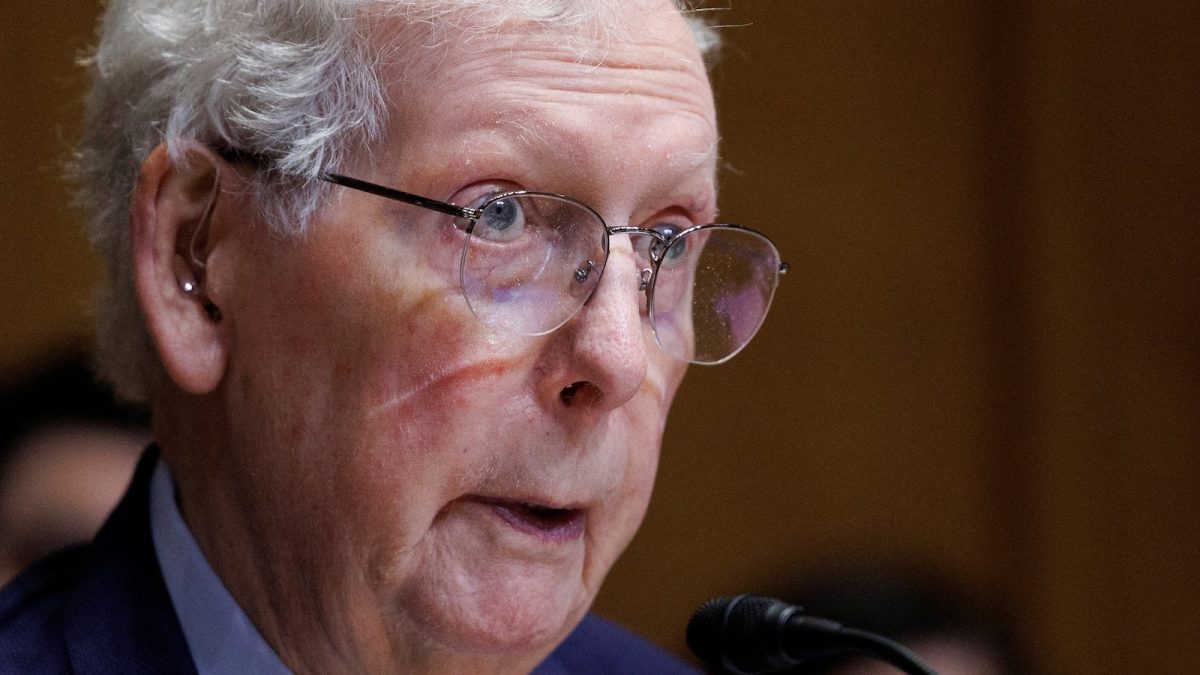
Sen. Mitch McConnell Hospitalized with Undisclosed Condition
Tyunews.com – Senator Mitch McConnell, the Republican leader of the U.S. Senate, has been hospitalized with an undisclosed medical condition, according to a spokesperson. The announcement came on Sunday, with the team of the 84-year-old Kentucky senator confirming the news in a brief statement. The spokesperson stated,
“Senator McConnell was admitted to a hospital this morning. He is currently receiving attentive medical care and monitoring.”
While the exact nature of his illness remains unknown, the situation has raised questions about the impact of his absence on Senate operations and ongoing legislative priorities.
Details of the Hospitalization
Although the spokesperson did not specify the cause of the hospitalization, it is understood that the senator’s condition has been kept private. ABC News reported that the team has not yet released further details about his health status or diagnosis. This decision has led to speculation about whether the hospitalization is related to a long-standing health issue or a new development. McConnell’s team has indicated that updates will be provided as more information becomes available.
McConnell’s hospitalization occurs amid a backdrop of his leadership role in the Senate, where he has been instrumental in shaping major legislative decisions. His absence could affect key debates, particularly those related to the upcoming Senate term ending in January. The spokesperson emphasized that the senator is receiving “comprehensive care,” but the lack of clarity has sparked concern among colleagues and political analysts.
Health History and Previous Incidents
McConnell’s recent hospitalization is not the first time he has faced health-related challenges. In the past year, he has undergone several medical procedures and has been under scrutiny for his health, especially as he prepares to step down from Senate leadership. His condition has been linked to chronic ailments, including heart issues, which have required periodic interventions. This latest incident has prompted discussions about the sustainability of his Senate tenure and the potential for his retirement plans to be affected.
Political observers note that McConnell’s health has become a topic of interest in recent months. His team has been careful to manage the narrative, balancing transparency with the need to protect his privacy. The undisclosed condition may also relate to his age and the demands of his role, which involve extensive travel and high-stress negotiations. As the Senate prepares for significant changes in leadership, his hospitalization adds another layer of uncertainty to the political landscape.
Impact on Senate Operations
While McConnell’s team has not yet disclosed the severity of his condition, the absence of a key leader has already created a ripple effect in the Senate. His role as the majority leader and Senate Minority Leader has been critical in advancing Republican priorities, and his hospitalization may delay or alter the timeline for major bills. For example, the ongoing debates over the budget and healthcare legislation could face challenges without his direct involvement.
Senators from both parties have expressed concern about the situation, with some calling for updates on his condition. The spokesperson has assured that the senator’s team is “working closely with medical professionals to ensure his well-being.” However, the lack of specific information has led to speculation about the nature of his illness, with some media outlets suggesting it could be a recurrence of a prior condition or a new complication. As the Senate continues its work, the focus will shift to whether McConnell will be able to return to his duties promptly.
McConnell’s hospitalization also highlights the broader implications for the Senate’s ability to function efficiently. His leadership has often been described as pivotal in partisan negotiations, and his absence may create a vacuum that could influence the direction of legislation. Additionally, his retirement in January has been a point of discussion, with some analysts suggesting it could lead to a shift in Senate dynamics. The current situation may serve as a test of how his team manages his health and political responsibilities simultaneously.
As the Senate grapples with the implications of McConnell’s hospitalization, the focus remains on the health of the leader and the potential impact on the legislative agenda. The undisclosed condition has left many in the political arena awaiting further details, which could provide insight into the senator’s health and the future of the Senate leadership. With the upcoming term ending in January, the timing of this hospitalization adds a new dimension to the retirement discussions and the transition of power within the Republican Party.