Georgia’s Vote-Counting Method Faces Ban; Lawmakers Seek Resolution This Week
Tyunews.com – Georgia’s vote-counting method, which relies on QR codes printed on ballots, is set to be banned by July 1, 2026, following a law enacted in 2024. The state’s lawmakers are convening this week to address the looming crisis and devise a workable alternative. The QR code system has been used since the 2020 primary, allowing voters to mark their choices digitally, but its official status is now under threat. With the upcoming midterm elections approaching, officials face pressure to ensure a seamless transition to a new counting process without disrupting voter turnout or election integrity.
The law, passed by the Georgia General Assembly in 2024, restricts the use of QR codes for official vote counts after the specified deadline, leaving a critical gap in the state’s election procedures. Republican Governor Brian Kemp has been vocal about the need to resolve this issue, urging legislators to “address issues created” by the QR code ban. However, the state’s secretary of state’s office and the State Election Board have issued conflicting directives, creating uncertainty for county officials tasked with implementing the new system. This ambiguity raises concerns about potential legal disputes and the accuracy of vote tallies in the July 28 special election.
Conflicting Guidance and Election Process Challenges
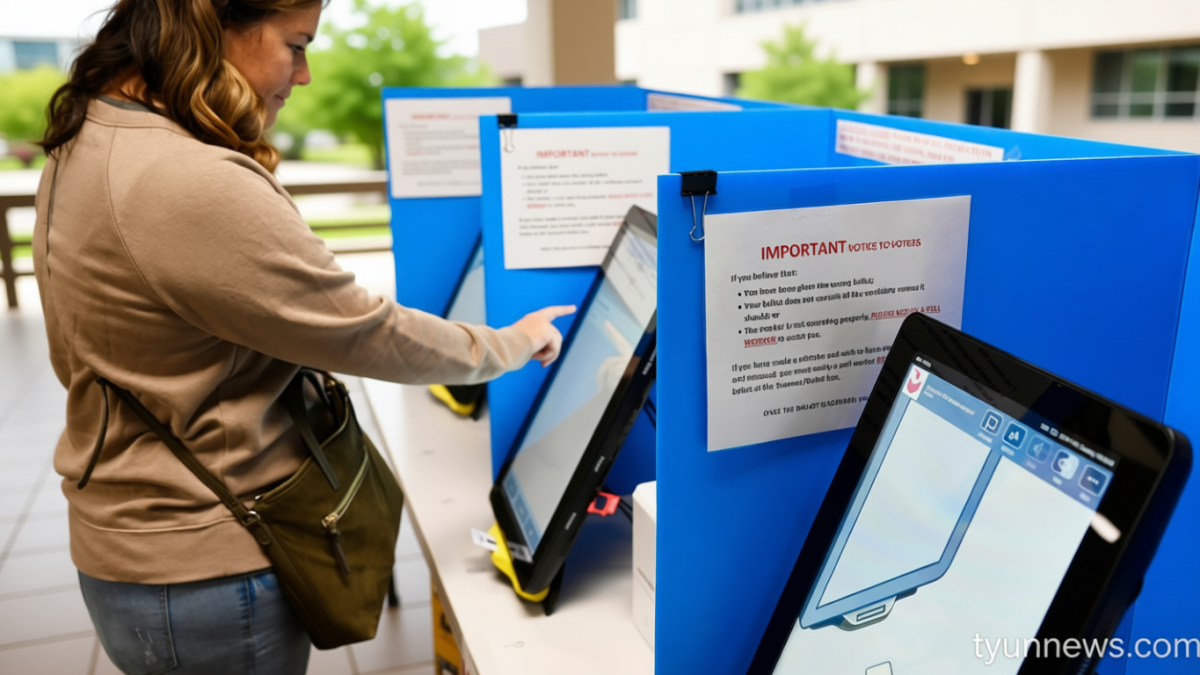
County election workers are now caught between two interpretations of the law. While the secretary of state’s office has indicated that the QR code system remains in effect until July 1, the State Election Board has argued that it lacks legal authority to continue. This divergence in guidance has sparked confusion among election administrators, who must now prepare for a hybrid approach. Early voting, which begins on July 6, will use the existing QR code method, but the official count will rely on a separate process involving optical character recognition software. The exact details of this method are still being debated, adding to the complexity of the situation.
“We must ensure that every vote is counted accurately and transparently,” said a spokesperson for the secretary of state’s office during a recent press briefing.
The spokesperson emphasized that the QR code system, while efficient, has drawn scrutiny for its potential to be manipulated. Critics, including some election integrity advocates, have pointed to the system’s reliance on technology as a vulnerability, citing concerns raised after the 2020 general election. Despite these worries, the state’s current approach aims to balance efficiency with security, even as it faces a critical deadline.
Political Context and Midterm Implications
The debate over Georgia’s vote-counting method is intertwined with the state’s political landscape. After Donald Trump narrowly lost Georgia to Joe Biden in 2020, his campaign and allies claimed the QR code system altered votes, leading to wild conspiracy theories about election fraud. These allegations, though not universally accepted, have fueled ongoing discussions about the reliability of digital ballot systems. Now, with the midterm elections on the horizon, lawmakers are under pressure to finalize a replacement system that satisfies both election security concerns and logistical requirements.
As the July 1 deadline approaches, the special election to replace U.S. Rep. David Scott—who died in April—has become a high-stakes test for the state’s new counting method. The six counties in the affected district have received preliminary guidance from the secretary of state’s office, but the details remain unclear. This uncertainty has prompted calls for a temporary fix, with some legislators advocating for a compromise that allows the QR code system to be used temporarily. Others, however, insist on a complete overhaul to align with the law’s requirements and restore confidence in the electoral process.
The QR code ban is part of a broader effort to modernize Georgia’s voting infrastructure. Lawmakers have proposed several alternatives, including manual ballot verification and enhanced digital systems with additional safeguards. These proposals will be scrutinized this week as the state prepares for the transition. The outcome of this legislative session will not only determine how votes are counted in Georgia but also set a precedent for other states facing similar challenges. With the midterm elections fast approaching, the focus remains on ensuring a fair and reliable system for all voters.