Trump Claims White House Releases Documents on Voting System Flaws
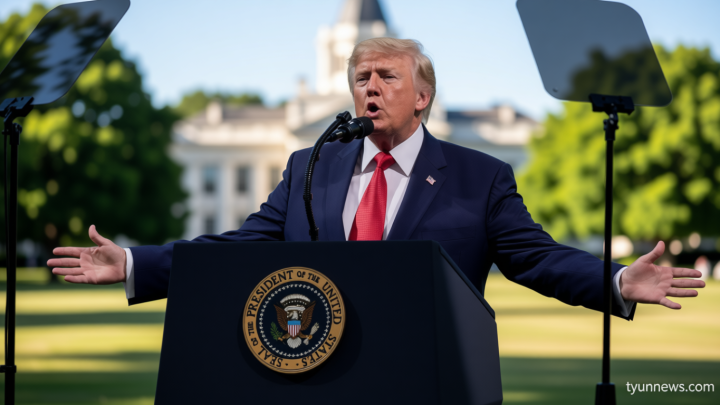
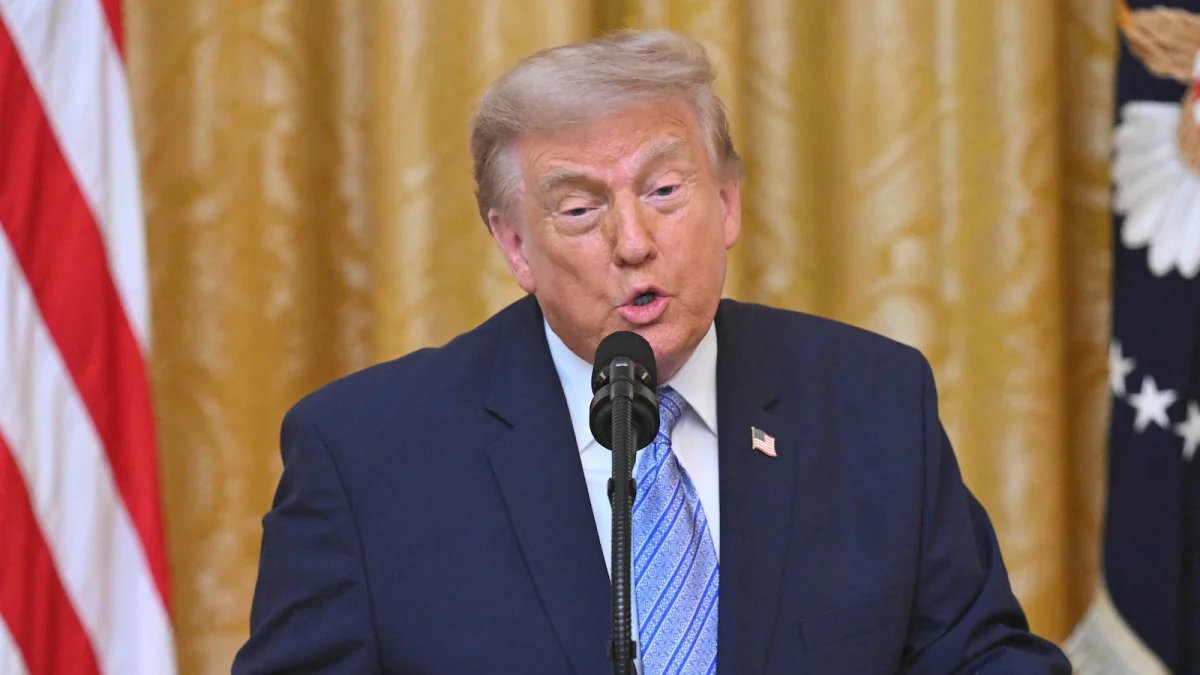
Tyunews.com – On July 16, 2026, former President Donald Trump asserted during a primetime address from the White House that the administration had released documents exposing vulnerabilities in electronic voting systems. The president argued that these reports, which he claimed were made public online, demonstrate how foreign adversaries and internal failures could undermine the integrity of the 2020 election. His remarks followed a week of heightened rhetoric on social media, where he had previously hinted at potential issues with vote counting and ballot security. The White House emphasized the importance of transparency, stating that the documents would provide concrete evidence to support Trump’s long-standing claims of election irregularities.
Accusations of Foreign Interference
In his speech, Trump specifically highlighted China as a major actor in alleged attempts to infiltrate voter data systems. He reiterated claims that foreign entities had exploited weaknesses in the electoral infrastructure to influence the outcome of the 2020 presidential race. While these allegations had been largely debunked by election officials and cybersecurity experts, Trump framed them as critical to maintaining the credibility of the voting process. The White House press secretary, Karoline Leavitt, reiterated the administration’s stance, noting that the documents would help clarify the scope of these threats and the steps taken to address them.
“The White House is releasing these documents to show the world how our election systems were vulnerable to manipulation,” Leavitt stated during a briefing. “It’s about ensuring the American people understand the risks we’ve faced and the actions we’ve taken to protect the process.”
Key Findings in the Released Documents
The documents, according to White House officials, outline specific technical and procedural weaknesses in the electronic voting machines used across the United States. They include analyses of software code, hardware security protocols, and data transmission methods that, in Trump’s view, could be exploited to alter results. Some reports suggest that the vulnerabilities were identified by intelligence agencies and private cybersecurity firms, though details remain scarce. Critics, however, argue that the documents lack the depth and clarity needed to substantiate Trump’s broader claims about election fraud.
Trump’s campaign has positioned these findings as a pivotal moment in the ongoing debate over election integrity. He framed the release as a direct response to accusations that his 2020 loss was due to systemic flaws rather than popular will. The documents also reference a series of coordinated efforts by foreign governments to influence public perception of the election, including targeted disinformation campaigns on social media platforms.
Political Context and Criticisms
The release of the documents came amid a contentious political climate, with Democrats and Republicans offering differing perspectives on their implications. Senator John Ossoff, a vocal critic of Trump’s post-election claims, called the speech a “prime-time presidential sour grapes address,” arguing that it was an attempt to shift blame from the administration’s policies to the election process itself. Meanwhile, some Republican analysts warned that the focus on vulnerabilities could alienate voters who prioritize stability and trust in institutions.
“The president’s speech tonight will lay bare the evidence for why the election was not conducted fairly,” Leavitt said. “It’s time for the American people to see the facts for themselves.”
Impact on Election Trust
Despite the White House’s efforts to frame the documents as a defense of election integrity, their release has reignited debates about the reliability of voting systems. Experts note that while the documents highlight potential risks, they also acknowledge that the overall election process was resilient against major disruptions. The key findings, however, have been seized upon by Trump’s supporters to reframe the narrative around the 2020 election. Meanwhile, the public has responded with mixed reactions, with some expressing concern about the vulnerability of their voting systems and others questioning the timing and context of the release.
Political analysts suggest that the documents are part of a broader strategy to bolster Trump’s credibility in the face of ongoing investigations and legal challenges. By emphasizing the release of evidence, the administration aims to create a sense of urgency and reinforce its position that the election was not conducted without flaws. This approach aligns with Trump’s history of using classified information and forensic evidence to support his claims about election irregularities.
Future Implications and Strategic Moves
The White House has also used the document release to underscore its commitment to transparency and accountability. By making these findings public, officials seek to preempt further scrutiny and establish a narrative that aligns with Trump’s vision of American democracy. The speech’s timing, just days before a major political event, was strategic, aiming to amplify the message through media coverage and public discourse.
As the documents circulate, the focus on voting system vulnerabilities has sparked a renewed discussion about the need for modernizing election infrastructure. While some lawmakers advocate for federal funding to upgrade voting machines, others argue that the current systems are sufficient and that the claims are exaggerated. The White House’s release of these documents, however, has already influenced public opinion, with polls showing a shift in perceptions about election security and the legitimacy of the 2020 outcome.