America 250: David Muir Highlights National Parks and Their Indigenous Roots
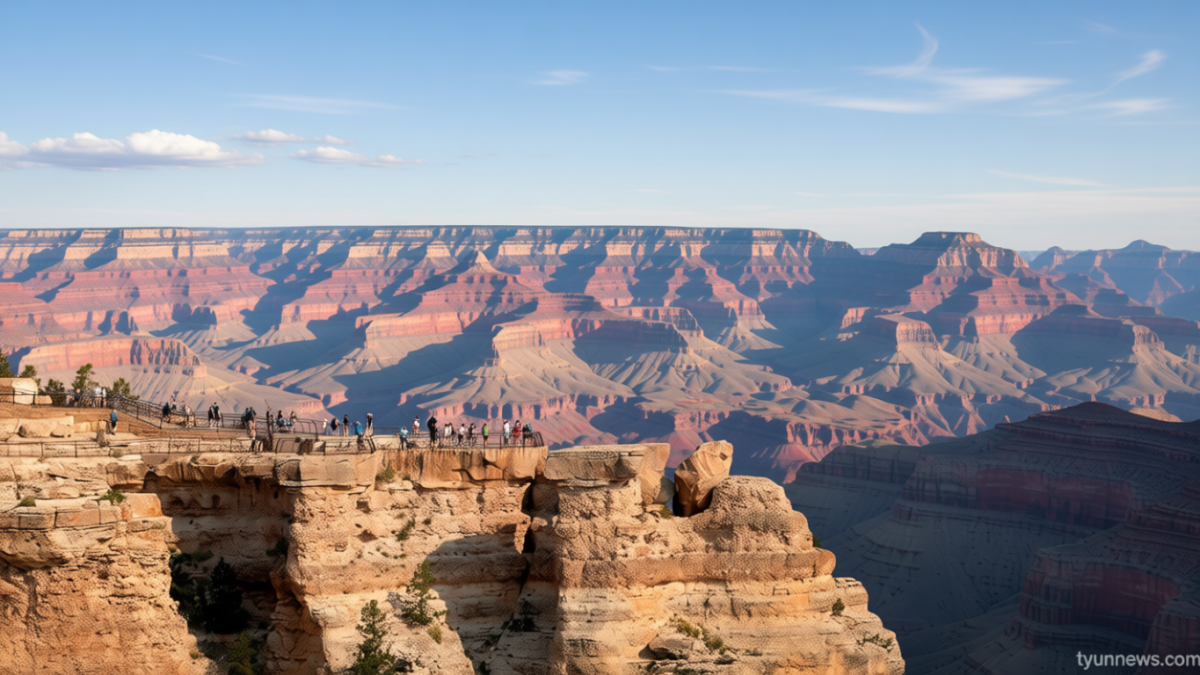
Tyunews.com – As the United States marks its 250th anniversary, ABC News anchor David Muir embarked on a special journey to explore the country’s most treasured natural landmarks—Grand Canyon National Park in Arizona and Redwood National and State Parks in Northern California. His report delved into the symbiotic relationship between these stunning landscapes and the Native American communities that have nurtured them for generations, shedding light on how the land’s preservation is deeply tied to its indigenous heritage. The 250th anniversary serves as a poignant reminder of the enduring connection between nature and the original stewards of the land.
America 250: The Grand Canyon’s Indigenous Guardians
The Grand Canyon, a natural wonder carved over nearly 2 billion years, has been home to Indigenous peoples for over 12,000 years. During Muir’s visit, he learned how the park’s cultural preservation initiatives honor the stories of the 11 federally recognized tribes linked to the region. These tribes, including the Havasupai and Hualapai, view the canyon as a spiritual and ancestral sanctuary, its red rock walls echoing the rhythms of their traditions. “The canyon is not just a place—it’s a living story that belongs to the people who first called it home,” said Ed Keable, the park’s superintendent, emphasizing the importance of Indigenous voices in shaping the visitor experience.
“It’s their story to tell,” Keable explained, as Muir spoke with Carletta Tilousi, a Havasupai Tribe member. Tilousi, whose people are known as the “People of the Blue-Green Water,” highlighted the tribe’s ongoing efforts to protect the canyon. “We’re still here, and we’re still fighting for its future,” she asserted, underscoring the resilience of Indigenous communities in the face of modern challenges. This sentiment aligns with the broader theme of the America 250 celebration, which aims to recognize the nation’s diverse cultural foundations.
America 250: Redwood Parks and Tribal Stewardship
Traveling further west, Muir examined the towering redwoods of Northern California, ancient trees that have stood for over 2,000 years. These colossal forests, part of Redwood National and State Parks, are not only ecological marvels but also ancestral territories for the Yurok Tribe, the largest Native American group in the state. A landmark agreement in 2024 returned 125 acres of land to the Yurok, symbolizing a renewed commitment to collaborative conservation. Joseph James, Yurok Tribe chairman, called the restoration a “growing moment” that bridges the past and present. “We can’t rewrite history, but we can learn from it and grow,” he said, reflecting on how the America 250 milestone inspires renewed partnerships between tribes and national parks.
“Time is relative. This tree was already standing when we signed the Declaration of Independence,” noted Ben Blom, stewardship director at Save the Redwoods League. His comment placed the trees’ age in stark contrast to the nation’s history, illustrating the long-standing role of Indigenous peoples in environmental stewardship. The Yurok’s traditional practices, such as sustainable harvesting and spiritual ceremonies, continue to influence the parks’ management, ensuring that the land remains a shared legacy for future generations.
Through his segments, Muir highlighted how the America 250 celebration extends beyond historical milestones to celebrate the cultural and ecological significance of the parks. The focus on Indigenous voices not only enriches the visitor experience but also redefines the narrative of national heritage. By integrating tribal perspectives into the parks’ storytelling, the 250th anniversary becomes an opportunity to honor the deep-rooted connections between land, people, and history.
Additional segments of the America 250 coverage will explore other national parks, from the misty trails of Yellowstone to the coastal ecosystems of Florida. Each episode will spotlight the unique relationships between these parks and the Native communities that have long called them home. This approach ensures that the celebration remains inclusive, recognizing the contributions of Indigenous peoples to the nation’s natural and cultural identity. As Muir’s journey demonstrates, the America 250 anniversary is not just a date on the calendar—it’s a chance to reflect on the enduring legacy of the land and its original caretakers.