Former Uvalde School Police Chief Set for Court Appearance
Tyunews.com – Former Uvalde school police chief Pete Arredondo is preparing to face judicial scrutiny in a Texas courtroom this week. The upcoming hearing will address the next phase of his criminal case, with the focus on whether the trial should proceed in Uvalde or be relocated to another jurisdiction due to potential biases and a lack of cooperation from U.S. Customs and Border Protection (CBP). Arredondo, who was charged in 2024 with 10 counts of endangering students, is accused of delaying the response to the 2022 Robb Elementary School shooting for 77 minutes, a decision that has drawn significant attention and debate.
The Robb Elementary School Tragedy
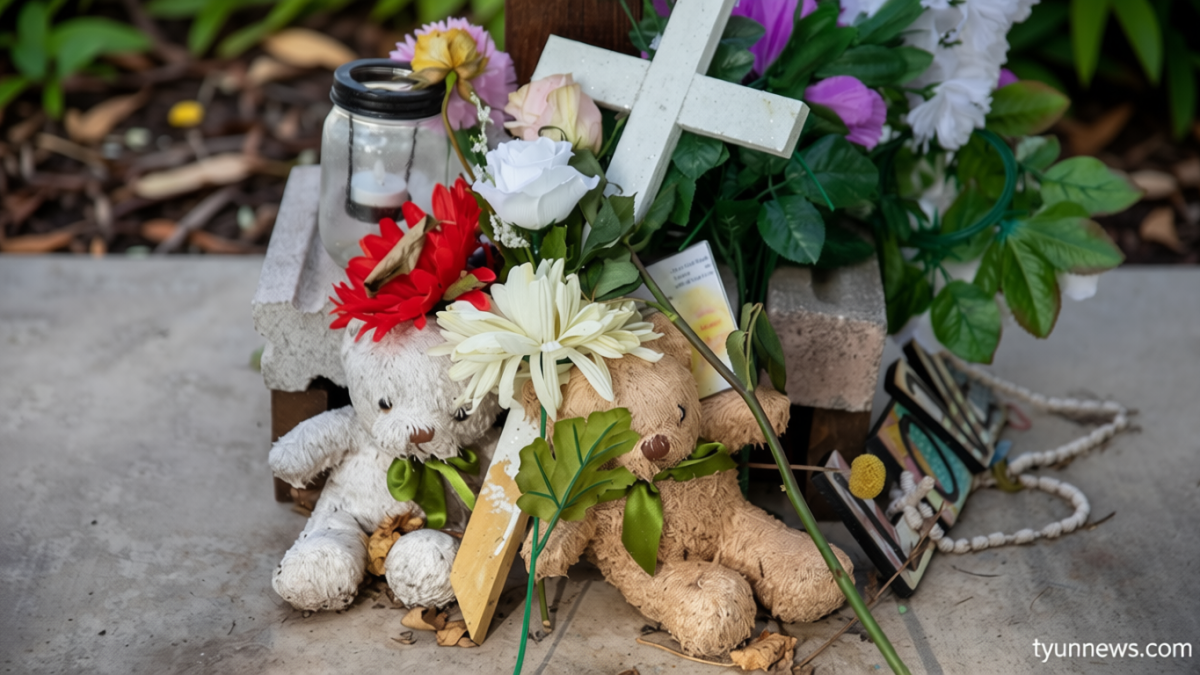
The Robb Elementary School shooting on May 24, 2022, remains a pivotal event in the case. The attack, carried out by a former student, resulted in the deaths of 19 students and two teachers, leaving the community in profound grief. Arredondo, who was in charge of the school’s security at the time, is alleged to have hesitated before allowing agents from the Border Patrol Tactical Unit to enter the classroom, a delay that critics argue may have contributed to the loss of lives. The incident has been scrutinized extensively, with prosecutors emphasizing the critical importance of swift action in such emergencies.
“The time between the gunshots and the response was longer than it should have been,” said local educator Maria Delgado, who has been vocal about the case. “That delay made all the difference in how many lives were saved.”
Legal Challenges and Strategic Moves
Arredondo’s case has faced multiple legal hurdles, including ongoing civil lawsuits aimed at securing testimony from CBP agents. These suits seek to compel the Border Patrol Tactical Unit members to explain their actions during the shooting, as their involvement is central to the prosecution’s argument. CBP has resisted, claiming that the testimonies are not essential and could compromise sensitive operations. The agency’s attorneys have argued that existing reports from their Office of Professional Responsibility already cover the necessary details.
Meanwhile, the criminal proceedings have been stalled by the need for additional evidence. District Attorney Christina Mitchell has stressed that the agents’ firsthand accounts are vital to building a case against Arredondo, who is accused of failing to act as the incident commander. His defense, led by attorney Paul Looney, contends that Arredondo adhered to protocol and that the case against him is weaker than previous similar prosecutions, such as that of Adrian Gonzales, who was acquitted earlier this year.
Community Impact and Public Perception
The Robb Elementary School shooting has had a lasting effect on Uvalde, Texas, and its residents. The community’s emotional state has influenced the trial’s progress, with local leaders advocating for a fair process. Judge Sid Harle, who is overseeing the proceedings, is expected to weigh the possibility of moving the trial to a different location to ensure impartiality. The decision could have implications not only for Arredondo but also for the broader perception of law enforcement in the area.
“This isn’t just about one person; it’s about the trust the community places in its police force,” stated Uvalde city council member Luis Ramirez. “If the trial is biased, it could damage that trust for years to come.”
Historical Context and Judicial Considerations
Arredondo’s case has been compared to Gonzales’ trial, which was moved to Corpus Christi to avoid local bias. This parallel has sparked discussions about the role of geography in legal outcomes. While Gonzales was found not guilty, Arredondo’s case has gained more momentum due to the unique circumstances of the Uvalde shooting. The hearing on Friday will be a key moment, as judges and attorneys debate the merits of relocating the trial to a different venue.
Legal documents submitted in the case highlight the challenges of obtaining cooperation from CBP. The agency has argued that the testimony is unnecessary and could disrupt ongoing operations. However, prosecutors maintain that the agents’ accounts provide crucial insight into Arredondo’s actions, particularly the 77-minute delay that has become a focal point of the case. The trial’s outcome could set a precedent for how such cases are handled in the future.
Public and Political Reactions
Public reactions to the case have been mixed, with some supporting Arredondo’s efforts to follow protocol and others calling for accountability. Political figures and local activists have weighed in, with some criticizing the judiciary for not acting swiftly. The case has also reignited conversations about school safety and the role of police in educational institutions. As the hearing approaches, the community remains hopeful for clarity and justice in the aftermath of the tragedy.
With the possibility of a venue change, the trial is now in a critical phase. The focus keyword, “Former Uvalde school police chief,” will continue to shape the narrative as the case unfolds. Legal experts and residents alike await the verdict, hoping it will provide answers to questions that have lingered since May 2022.