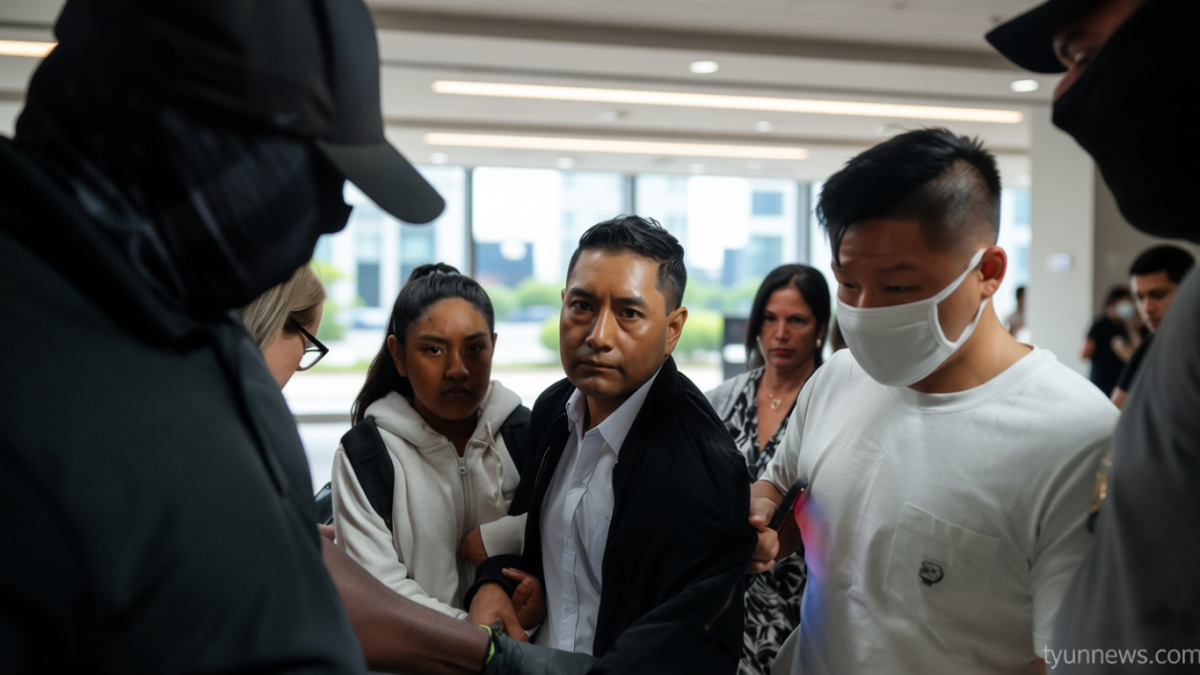
Federal Judge Halts Immigration Arrests in Courthouses, Slowing Trump’s Policy Shift
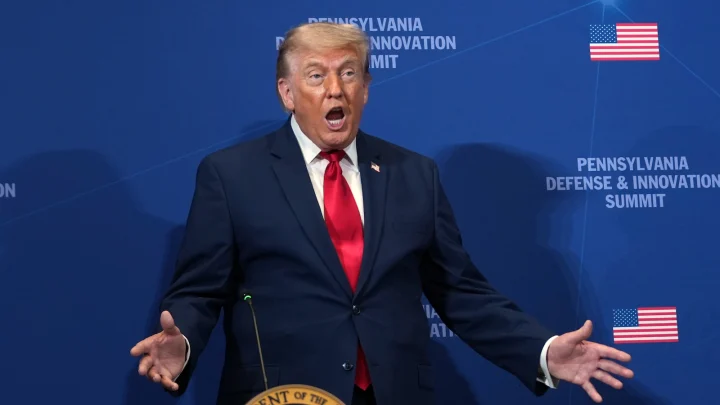
Tyunews.com – On Tuesday, a federal judge issued a landmark ruling that temporarily bars immigration arrests at U.S. courthouses, delivering a significant blow to the Trump administration’s efforts to expedite deportation processes. The decision, handed down by U.S. District Judge Casey Pitts, invalidates a controversial policy that allowed immigration officers to remove individuals from courtrooms during hearings, a practice that had been implemented shortly after Donald Trump took office in 2017. By blocking the arrests, the judge has created a temporary pause in the administration’s strategy to streamline immigration enforcement, highlighting growing judicial resistance to its approach. The ruling applies to all federal courthouses nationwide, marking the most sweeping challenge yet to Trump’s immigration policies. This development has sparked immediate reactions from legal experts, immigration advocates, and government officials, underscoring the ongoing debate over the balance between swift enforcement and due process.
Policy Shift and Judicial Criticism
The Trump administration’s policy change, which permitted arrests at immigration courts, was designed to accelerate the removal of undocumented immigrants by reducing the time they spent in custody. Under the new rules, individuals could be taken into custody immediately after their hearings, rather than being released with the option to return later. Judge Casey Pitts, appointed by President Joe Biden, criticized the abrupt implementation of this policy, arguing that it lacked the necessary deliberation required by the Administrative Procedure Act. In his opinion, the government failed to provide a clear justification for the shift, which has been seen as a tool to intimidate immigrants and discourage their participation in legal proceedings. “Congress has directed agencies to consider consequences before acting,” Pitts wrote, emphasizing that the policy’s enforcement ignored this directive and created a “chilling effect” on immigration court attendance.
“The reversal of long-standing policy… stemmed not from reasoned judgment but from a lack of deliberation.” — Judge Casey Pitts
Impact on Immigration Court Proceedings
The ruling has immediate implications for the functioning of immigration courts. By preventing arrests within courthouses, the decision forces immigration officers to detain individuals outside the courtroom, which may disrupt the efficiency of legal processes. Advocacy groups have praised the move, calling it a critical victory for immigrants who fear being intimidated into skipping hearings. The policy, which allowed for swift removals, had been a key component of the administration’s strategy to reduce the backlog of immigration cases and increase deportation rates. However, the judge’s order has now placed that strategy on hold, providing a temporary reprieve for those facing removal. Legal analysts note that this decision could set a precedent for future challenges to immigration enforcement practices, particularly in cases where the government’s rationale for rapid action is questioned.
Department of Homeland Security’s Response
In response to the ruling, the U.S. Department of Homeland Security (DHS) has accused the judiciary of overstepping its authority. James Percival, the department’s general counsel, described the decision as an example of “judicial overreach,” arguing that immigration judges should have the power to detain individuals as they would in criminal cases. “A district judge ordering otherwise is naked judicial activism in service of an anti-American, open borders agenda,” Percival stated in a public statement. The DHS has also criticized the ruling for potentially slowing the removal process and creating uncertainty for law enforcement agencies. While acknowledging the decision’s validity, the department has vowed to appeal it, claiming that the policy is essential for maintaining the integrity of immigration enforcement and ensuring public safety.
“Judicial overreach is not just a legal issue—it’s a political one. This ruling undermines the efficiency of our immigration system.” — James Percival, DHS General Counsel
Historical Context of the Policy
The policy change that the judge has now blocked was introduced in 2018 as part of broader efforts to crack down on undocumented immigration. It marked a departure from the previous practice, which required individuals to be released from court with a scheduled return date for deportation. The Trump administration argued that this new approach would allow for more immediate action against those who had already been found removable, thereby reducing the time between court decisions and removals. However, critics have pointed out that the policy may have been implemented too hastily, without sufficient evidence to support its effectiveness or fairness. The judge’s decision to halt the arrests reflects growing concerns that the policy was being used as a political tool rather than a well-considered legal strategy.
Broader Implications for Immigration Enforcement
While the ruling is limited to U.S. courthouses, its impact extends beyond the immediate legal context. Immigration advocates argue that the decision could inspire similar challenges to other Trump-era policies, such as the “zero-tolerance” approach to family separations at the border. The administration’s focus on rapid removals has often been framed as a way to deter unauthorized immigration, but the judge’s order highlights the tension between speed and due process. Legal experts note that this ruling may also encourage further litigation targeting the use of expedited removals and other enforcement measures. As the policy remains in legal limbo, the debate over immigration enforcement continues to intensify, with opponents of the Trump administration seizing on the decision as a sign of judicial alignment with their priorities.
“This ruling isn’t just about one policy—it’s about the broader vision of immigration enforcement that the Trump administration sought to impose.” — Legal Analyst Maria Lopez
Future of the Policy and Judicial Resistance
The next steps for the policy will depend on the outcome of the appeal process, which is expected to take several months. In the meantime, the ruling has provided a temporary pause in the administration’s strategy, allowing for further discussion on its merits. The decision also reinforces the role of federal judges in shaping immigration policy, demonstrating their ability to act as checks on executive authority. As the legal battle continues, the focus keyword “Judge bars immigration arrests at US” will remain central to the narrative, reflecting the ongoing impact of this pivotal moment on the Trump administration’s agenda. The ruling underscores the dynamic interplay between judicial oversight and immigration enforcement, with the balance of power shifting in response to public and legal scrutiny.