New Mexico Voters Choose Party Nominees for Governor Amid Oil Revenue Surge
Tyunews.com – With the primary election approaching, New Mexico voters choose party nominees for governor, setting the stage for a decisive race in a state grappling with economic and social challenges. The upcoming vote will determine the Democratic and Republican candidates who will face off in the general election, a moment that has taken on added significance due to the state’s booming oil industry. Rising revenue from energy production is reshaping the political landscape, offering both opportunities and pressures for the next leader. Analysts highlight that the Democratic field is particularly competitive, but the Republican race also presents a range of diverse candidates vying for a chance to challenge the current political direction.
Energy Revenue Reshapes Election Dynamics
The oil boom has injected substantial new funds into New Mexico’s economy, altering the financial foundation of state operations. Recent global price increases, driven by Middle Eastern geopolitical tensions, have led to a surge in tax revenue, which has bolstered the state’s budget. This financial gain has allowed for enhanced funding in critical areas, such as education and healthcare, but also raised questions about how these resources will be allocated during the campaign. The oil industry’s influence is expected to shape voter priorities, with candidates leveraging the economic boom to emphasize their platforms.
While the oil sector has become a major economic force, its impact on the election is multifaceted. The Democratic candidate is seen as poised to benefit from the state’s financial stability, yet the Republican contenders are also capitalizing on the energy surge to position themselves as champions of fiscal responsibility. As New Mexico voters choose party nominees, the race is likely to reflect both the state’s current prosperity and the lingering concerns over long-term economic sustainability and equitable distribution of wealth.
Democratic Race Intensifies with Key Candidates
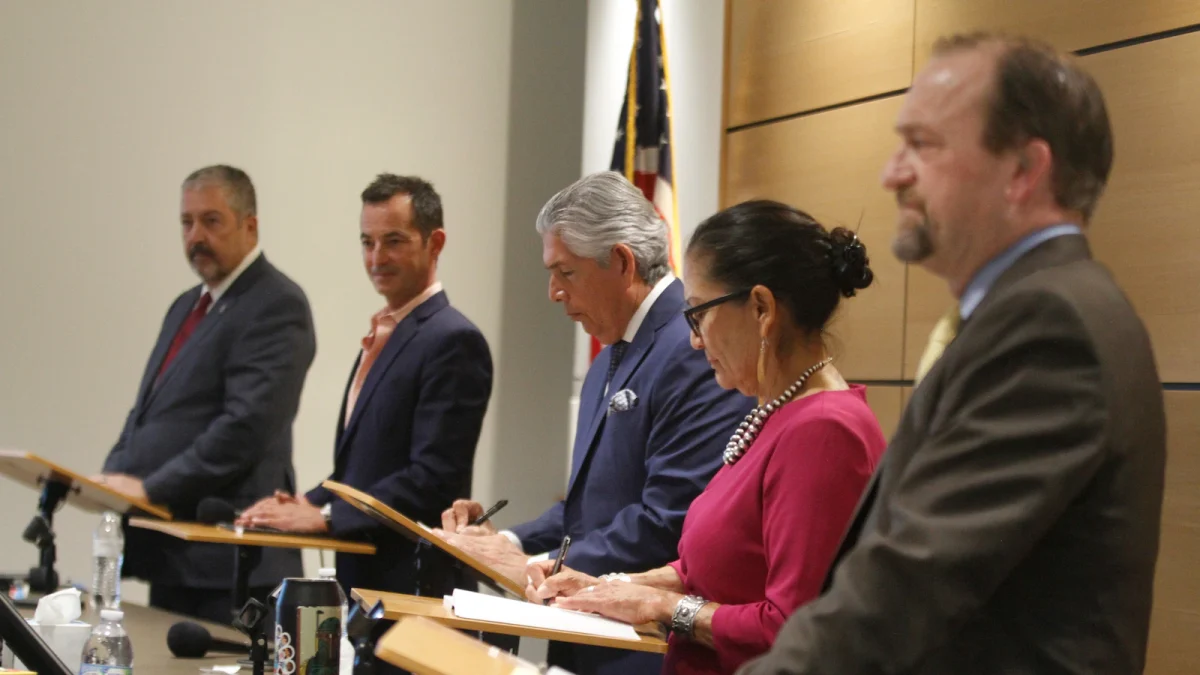
The Democratic primary pits two formidable figures against each other: Deb Haaland, a former U.S. Interior Secretary and Laguna Pueblo Nation member, and Sam Bregman, the Albuquerque district attorney and father of Chicago Cubs star Alex Bregman. Haaland’s campaign centers on progressive policies, leveraging her deep ties to the state’s indigenous communities and her experience in federal government. Bregman, meanwhile, emphasizes his background in law enforcement and his vision for policy reform, aiming to appeal to a broader electorate.
“My connection to New Mexico runs through my family and our community,” Haaland stated in a recent interview. “I want to ensure that the programs we fund reflect the values of those who live here.”
Haaland’s campaign has gained momentum, with her fundraising success creating a challenge for Bregman. However, the race remains closely contested, as both candidates attempt to align their messages with the needs of New Mexico voters. The outcome could signal a shift in the state’s political trajectory, with implications for education, healthcare, and social programs that have long been a focus of the Democratic party’s agenda.
Republican Field Offers Diverse Options
The Republican primary features three candidates, each with distinct platforms and backgrounds. Gregg Hull, a former mayor of Rio Rancho, campaigns as a bridge between traditional Republican values and the state’s modern challenges, emphasizing infrastructure and job creation. Duke Rodriguez, who transitioned from politics to the cannabis industry, brings a unique perspective to the race, focusing on healthcare and economic stability. Doug Turner, a public relations professional, aims to revitalize New Mexico’s public education system, which has faced criticism for underperformance.
Despite the state’s economic gains, the Republican race is marked by internal competition. Rodriguez’s campaign has drawn attention for a recent cease-and-desist letter from Trump’s legal team, alleging unauthorized use of the former president’s image. Meanwhile, Turner and Hull are positioning themselves as more traditional candidates, ready to address the state’s social and economic needs. As New Mexico voters choose party nominees, the Republican field is seen as a potential wildcard, with each candidate vying to present a compelling vision for the state’s future.
Political Impact of the Primary
The primary election carries far-reaching implications beyond the immediate race for governor. It serves as a critical litmus test for the state’s political parties, revealing voter preferences and shaping the direction of future policy. The oil boom’s economic influence is likely to reinforce the Democratic candidate’s advantage, as their platform aligns with the state’s current financial situation. However, the Republican candidates are also gaining traction, with their emphasis on fiscal conservatism resonating with voters concerned about spending and long-term budget management.
As New Mexico voters choose party nominees, the race highlights the state’s complex interplay between economic growth and social equity. The Democratic and Republican campaigns are framing their messages around the benefits and challenges of the oil boom, with each party seeking to position itself as the best steward of the state’s resources. The outcome will not only determine the next governor but also set the tone for how New Mexico addresses its pressing issues in the years ahead.
Key Issues Shaping the Election
While the oil industry’s revenue has provided a financial boost, the election is also driven by broader concerns. Rising violent crime rates, underfunded public schools, and the need for healthcare improvements are central to voters’ decision-making. The Democratic candidate is expected to prioritize these issues, promising increased spending on education and safety initiatives. In contrast, the Republican field emphasizes tax cuts and deregulation as pathways to economic revitalization, appealing to voters seeking change in governance.
As New Mexico voters choose party nominees, the race has become a reflection of the state’s ideological divides. The Democratic candidates are leveraging the oil boom to support their progressive agenda, while Republicans argue that the state’s financial stability should be used to address long-standing issues. The election’s result could signal a shift in the state’s political strategy, with both parties aiming to secure a mandate for their vision of New Mexico’s future. With the primary drawing near, the focus remains on how each candidate will navigate the economic and social challenges facing the state.