Rubio to testify before Congress for the first time since the start of the Iran war
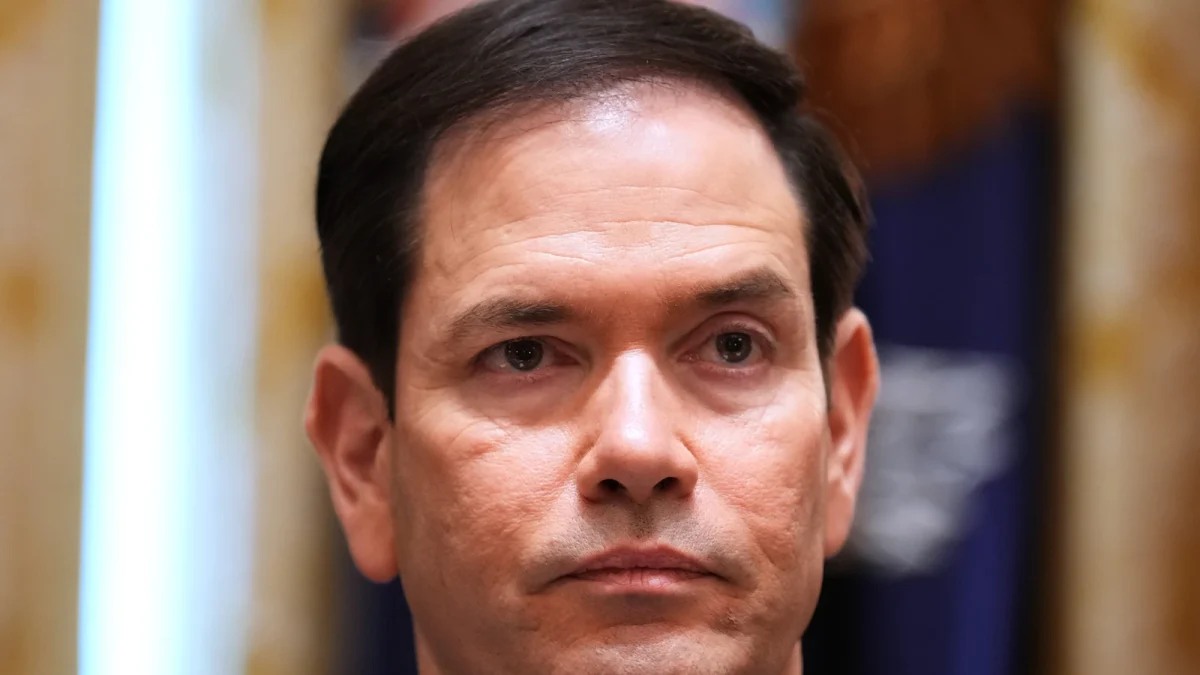
Tyunews.com – As the Iran war intensifies, Secretary of State Marco Rubio is preparing to address Congress on Tuesday, marking his initial appearance before legislative panels since the conflict began. This dual hearing will focus on the Trump administration’s ongoing diplomatic initiatives and the U.S. approach to global alliances. Rubio, a former Republican senator, will present the State Department’s annual budget proposal, but the discussions are expected to pivot toward the precarious ceasefire between Washington and Tehran. Recent skirmishes have strained this agreement, with both sides exchanging military strikes and diplomatic overtures.
Political Challenges and Testimony Context
Rubio’s testimony comes amid growing scrutiny of the administration’s strategy in the Middle East. While he has been a staunch advocate for military action against Iran, the ongoing war has faced criticism from lawmakers who question its long-term viability. The administration’s shifting priorities have complicated efforts to secure bipartisan support. In the two months since hostilities began on February 28, a faction of Republicans has increasingly aligned with Democrats in challenging the war’s economic toll and strategic value.
Although Rubio’s appearance is a routine part of the budget process, it holds symbolic weight as the first major congressional engagement since the war’s outbreak. Days after the initial U.S. and Israeli strikes, he participated in a classified briefing for lawmakers, highlighting the administration’s concerns over Iran’s regional influence. Despite this, the Trump team has faced backlash for bypassing congressional approval, a move that has sparked debates over the balance of power between the executive and legislative branches.
Diplomatic Tensions and Ceasefire Concerns
Rubio’s role as a key architect of the Iran policy has placed him under pressure to justify the administration’s decisions. Cabinet members, including him, have defended President Donald Trump’s decision to escalate the conflict, emphasizing its necessity against a persistent adversary. However, the war’s impact on the U.S. economy and global stability has drawn sharp criticism, with lawmakers questioning whether the costs outweigh the benefits.
The ceasefire between Washington and Tehran, which has been a focal point of diplomatic efforts, now faces renewed uncertainty. Recent attacks have tested its resilience, with both sides accusing each other of provoking escalation. This backdrop has intensified scrutiny of the administration’s approach, as lawmakers seek clarity on how the war aligns with broader foreign policy goals. The hearings will provide an opportunity for Rubio to outline the administration’s vision for the conflict and its aftermath.
Legislative Pushback and Midterm Implications
Amid rising tensions, the Senate advanced legislation last month that would have required Trump to withdraw from the conflict. This development followed the support of GOP Senator Bill Cassidy, who had recently lost a primary race with Trump’s endorsement. The move signals a growing divide within the Republican Party, as some members question the president’s leadership on the issue. Meanwhile, the House had planned to vote on a war powers resolution but delayed the action after GOP leaders determined it lacked sufficient support.
These legislative actions reflect a broader challenge to Trump’s handling of the Iran war. As midterm elections approach, lawmakers are balancing their support for the administration’s military posture with concerns over public sentiment and economic consequences. The Republican base, once unified in backing Trump’s aggressive stance, now shows signs of fragmentation. This shift could influence the party’s messaging in the coming months, particularly as the war’s duration and impact become more apparent.
Rubio’s Stance on Cuba and Escalatory Policies
During his testimony, Rubio is also expected to address the administration’s policy toward Cuba. As the son of Cuban immigrants, he has long emphasized the island nation’s strategic importance to U.S. interests. However, Trump’s recent rhetoric has positioned Cuba as a potential next target after operations in Iran, prompting questions about the consistency of the administration’s foreign policy. Despite multiple meetings between U.S. and Cuban officials, the Trump team has continued to threaten the Cuban government, a stance that has gained traction following the announcement of criminal charges against former President Raúl Castro.
Rubio has consistently argued that Cuba remains a national security threat due to its ties with U.S. adversaries. This position aligns with Trump’s broader vision of addressing perceived threats in the region. Yet, the administration’s confrontational approach has drawn criticism, with some lawmakers questioning whether it risks further destabilizing the Caribbean. The hearings will allow Rubio to defend these policies, setting the stage for a potential debate on the future of U.S. engagement with Cuba.
Future Hearings and Political Strategy
Rubio’s Tuesday appearances will be followed by additional sessions on Wednesday, where he will testify before the House Foreign Affairs Committee and its Senate counterpart. These hearings aim to solidify the administration’s case for continued military involvement and budget allocation. The timing is strategic, as the midterms draw closer and the administration seeks to rally support for its initiatives.
With the war’s economic and geopolitical consequences becoming more pronounced, Rubio’s testimony may serve as a pivotal moment for the Trump team. The administration’s ability to maintain congressional backing will depend on how effectively Rubio addresses concerns about the conflict’s sustainability. His participation in classified briefings and his public statements suggest a calculated effort to align the war’s narrative with broader national security imperatives.
Legacy and Leadership in the Shadow of War
Rubio’s role as a former senator and current secretary of state underscores the evolving nature of U.S. foreign policy. His ability to navigate the complexities of the Iran war while maintaining political support will be a key indicator of the administration’s effectiveness. The hearings represent a rare opportunity for him to defend his decisions in front of lawmakers, many of whom have grown skeptical of prolonged military engagements.
As the conflict continues, Rubio’s testimony will be scrutinized for its implications on both domestic and international fronts. The administration’s emphasis on aggressive diplomacy and military action may face further challenges, particularly as the costs of the war become more visible. Yet, his consistent support for Trump’s vision suggests that he remains a critical figure in shaping the U.S. response to Iran.
Meanwhile, the broader political landscape is shifting. The Republican Party’s internal debates over the war’s direction could impact its unity, while Democrats are capitalizing on public discontent. Rubio’s appearance, therefore, is not just a routine budgetary proceeding but a crucial test of the administration’s ability to sustain its policy agenda in the face of mounting pressure.
“The Iran war is not just about military action; it’s about securing our national interests and maintaining stability in the region.”
As the hearings unfold, the interplay between Rubio’s statements and the political climate will offer insights into the future of U.S. foreign policy. The administration’s commitment to the conflict, coupled with its efforts to maintain bipartisan support, will determine its ability to weather the coming months of scrutiny and debate.