Taco Bell Removes Ingredients Amid Cyclosporiasis Outbreak
Tyunews.com – Taco Bell has taken a proactive step by voluntarily removing some ingredients from select restaurants to mitigate the spread of cyclosporiasis, a parasitic infection linked to contaminated food or water. The company’s decision comes as public health officials in Michigan report over 3,000 confirmed cases, with a sharp rise in new infections. While the exact source of the outbreak has not been pinpointed, Taco Bell is working closely with authorities to ensure customer safety. “We are committed to preventing any potential risk, even if it’s not definitively tied to our operations,” said a representative from Taco Bell Corp, addressing the issue with ABC News.
Cyclosporiasis Cases in Michigan Surpass 3,000
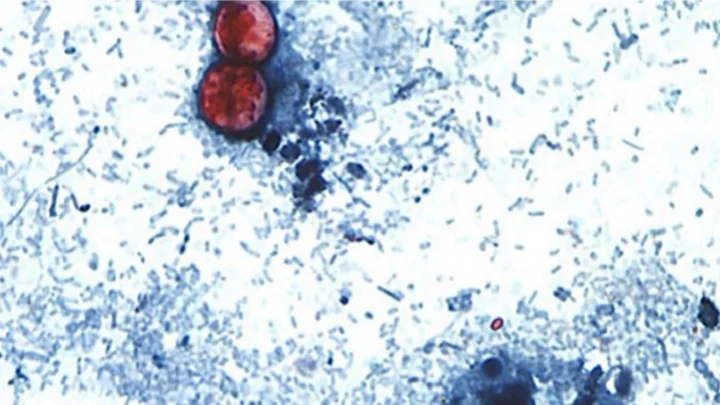
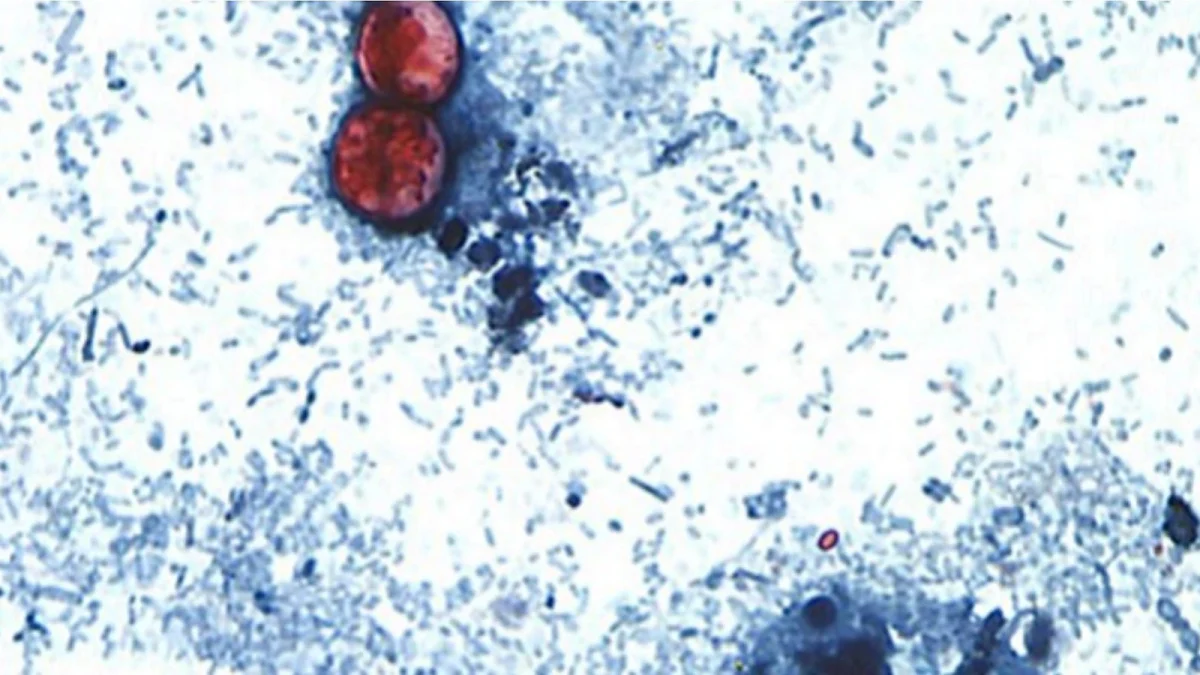
The Michigan Department of Health and Human Services (MDHHS) has confirmed that cases of cyclosporiasis have surged to 3,309 as of June 22, a dramatic increase compared to the usual annual total of around 50. Over 600 new cases were reported in the past week alone, with at least 44 individuals requiring hospitalization. Most of these cases are concentrated in Wayne County, where Detroit is located, and other southeastern Michigan areas. Public health experts warn that the parasite *Cyclospora cayetanensis* is typically found in contaminated produce, such as lettuce or cilantro, and is often linked to imported foods.
“The signal for lettuce is clear, and we are expanding our investigation to include multiple produce items,” said Donald Prate, acting deputy commissioner for food at the Food and Drug Administration (FDA). “While we haven’t identified a specific supplier yet, the focus remains on tracing the contamination source.”
Health officials emphasize that cyclosporiasis is spread through the ingestion of food or water contaminated with feces, which can occur during the growing or handling process. The outbreak in Michigan has prompted a broader review of food safety protocols, particularly for leafy greens and other raw vegetables. Although no single produce item has been definitively linked to the cases, the FDA is collaborating with local health departments to identify potential commonalities among affected individuals. Consumers are advised to remain vigilant about food handling and washing practices, especially when eating raw produce.
Seasonal Trends and National Spread
The Centers for Disease Control and Prevention (CDC) has noted a seasonal trend in cyclosporiasis cases, which typically peak between May 1 and August 31. As of July 10, the CDC reported 843 domestic cases, with Michigan and New York leading the nation in confirmed infections. New York accounted for 470 cases, followed by Ohio with 364, while Illinois and Florida each reported over 100 cases. This surge has prompted increased monitoring of food supply chains, particularly those handling fresh produce. The CDC also highlights that while person-to-person transmission is rare, the disease can spread rapidly through contaminated food if proper hygiene measures are not followed.
Public health authorities have called for stricter oversight of food suppliers, especially those involved in the production and distribution of leafy greens. The Michigan outbreak has raised concerns about the effectiveness of current food safety regulations, with officials urging both restaurants and consumers to take additional precautions. For instance, the state’s health department has recommended that food establishments in the region conduct regular checks on their produce sourcing and storage methods. Meanwhile, the FDA is investigating whether certain ingredients, such as cilantro, might be a key vector in this outbreak.
While Taco Bell’s voluntary removal of some ingredients is a significant step, the company has not disclosed which specific items are being affected. However, sources suggest that cilantro and other leafy greens are among the suspected culprits. The move has sparked discussions about the role of chain restaurants in food safety, particularly during outbreaks linked to widely consumed produce. Customers are advised to stay informed about local health advisories and to report any symptoms such as watery diarrhea, nausea, or fatigue to their healthcare providers. These symptoms often appear 2 to 10 days after exposure and can last for several weeks.