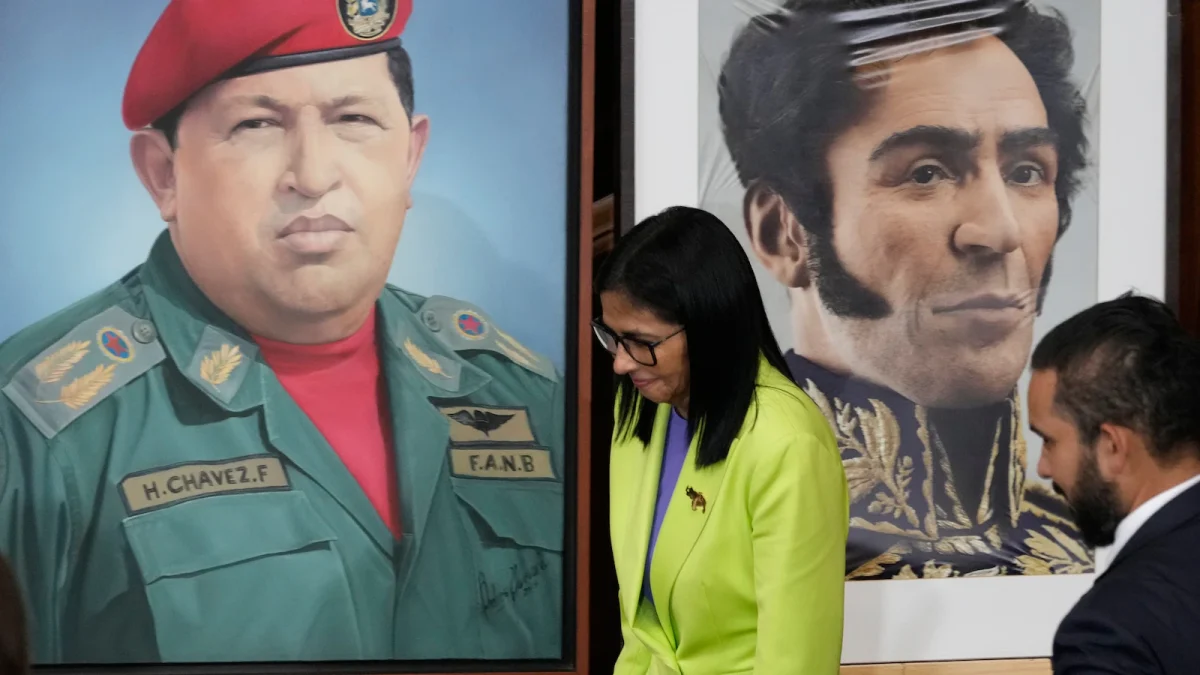
Venezuela’s Ruling Party Unity Falters as Delcy Rodríguez Shifts Course
Tyunews.com – Venezuela’s ruling party unity is under strain as Delcy Rodríguez, acting president, introduces changes to Chávez-era policies. The slogan “United, we will win!” once symbolized the coalition’s strength, but cracks are emerging in the alliance that has governed the country for decades. Rodríguez’s decision to align with U.S. interests and modernize key sectors has sparked debate, signaling a potential shift in the party’s ideological foundation. With internal disagreements intensifying, the future of Venezuela’s political landscape hangs in the balance, as the ruling party grapples with maintaining cohesion amid evolving priorities.
Fracturing of Ruling Party Unity
Rodríguez’s departure from Chávez’s legacy has exposed fractures within the ruling party. Her actions, including the removal of loyalists and the adoption of U.S.-friendly measures, have unsettled longtime supporters. The 2013 economic crisis and subsequent political turmoil weakened the party’s hold, but the recent policy shifts have accelerated divisions. Critics argue that these changes prioritize pragmatism over the revolutionary ideals that once bound the coalition. Meanwhile, hardliners view Rodríguez’s moves as a betrayal, fearing the erosion of Venezuela’s sovereignty.
Key decisions now reflect a new direction, with Rodríguez emphasizing cooperation over confrontation. Her administration’s efforts to reform the oil sector and engage with U.S. sanctions relief have drawn sharp reactions from former allies. The deportation of a former minister in May, linked to U.S. investigations, further underscored this shift. While these steps aim to stabilize the economy, they risk alienating the party’s core base, which remains deeply tied to Chávez’s nationalist vision.
Internal Dissent and Public Protests
As tensions grow, internal dissent has become more vocal. Mario Silva, a former state media figure, publicly criticized the administration’s alignment with the U.S., calling it a “colonial occupation.” His remarks highlight a broader concern among Venezuelans that the ruling party’s unity is being compromised. “Decisions are now being made in the U.S. Embassy,” Silva warned, reflecting a perception that foreign influence is reshaping domestic governance.
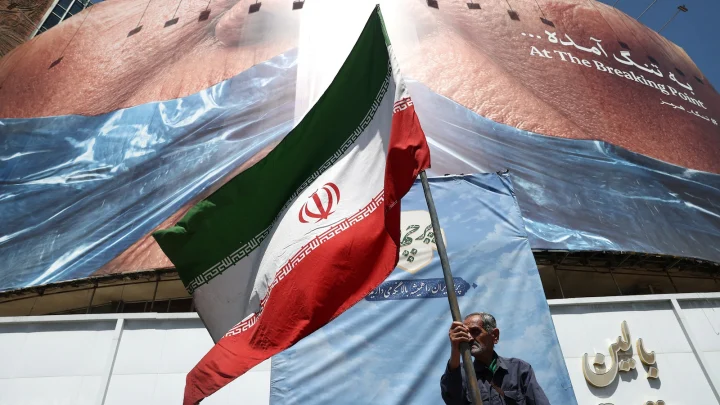
Public protests have also mirrored this discontent. On May 23, demonstrators gathered in Caracas to oppose U.S. military drills, waving a flag with the slogan “No to the Yankee drill.” Though participation was modest, the event marked a significant moment in the ongoing struggle for control. Elías Jaua, a former Chávez-era vice president, described the situation as “humiliating,” warning that the ruling party’s embrace of U.S. strategies could undermine Venezuela’s independence.
Legacy of Chávez and the Struggle for Power
Chávez’s revolutionary policies were built on a foundation of self-reliance and resistance to foreign intervention. Maduro, his successor, inherited this vision but faced mounting challenges that tested its viability. The current administration, led by Rodríguez, now appears to be redefining that path. While some see this as a necessary evolution, others fear it signals a broader abandonment of the movement’s core principles. The political and economic crisis since 2013 has already strained the party’s cohesion, but Rodríguez’s leadership has intensified these divisions.
With over 7.7 million Venezuelans fleeing the country during Maduro’s presidency, the ruling party’s ability to retain control has been questioned. The recent shift toward U.S. collaboration suggests a new strategy to address the crisis, yet it has not quelled internal criticism. As the party navigates this transition, the balance between ideological purity and practical governance will determine its long-term stability. The 2024 election results, which saw party hardliners celebrate Maduro’s victory, now seem to foreshadow a more complex political future.