Algae Marred Reflecting Pool Draws Tourists, Not for Reasons Trump Wanted
Tyunews.com – The Lincoln Memorial Reflecting Pool, marred by persistent algae growth, has become an unexpected tourist attraction. While the National Park Service worked tirelessly to restore the pool’s pristine condition, the green patches have drawn visitors in droves, far from the original intent of the project. President Donald Trump had championed the renovation as a way to revitalize the national monument, but the algae issue has shifted public focus to the pool’s current state rather than its intended aesthetic.
Origins of the Algae Outbreak
Following the 250th anniversary of U.S. independence in 2026, the Department of the Interior launched a high-profile initiative to repaint the pool in “American flag blue” and enhance its visual appeal. However, the algae problem has resurfaced despite these efforts, creating a stark contrast to the project’s initial goals. The pool, a symbol of American history and unity, now serves as a backdrop for both admiration and critique of the renovation’s outcomes.
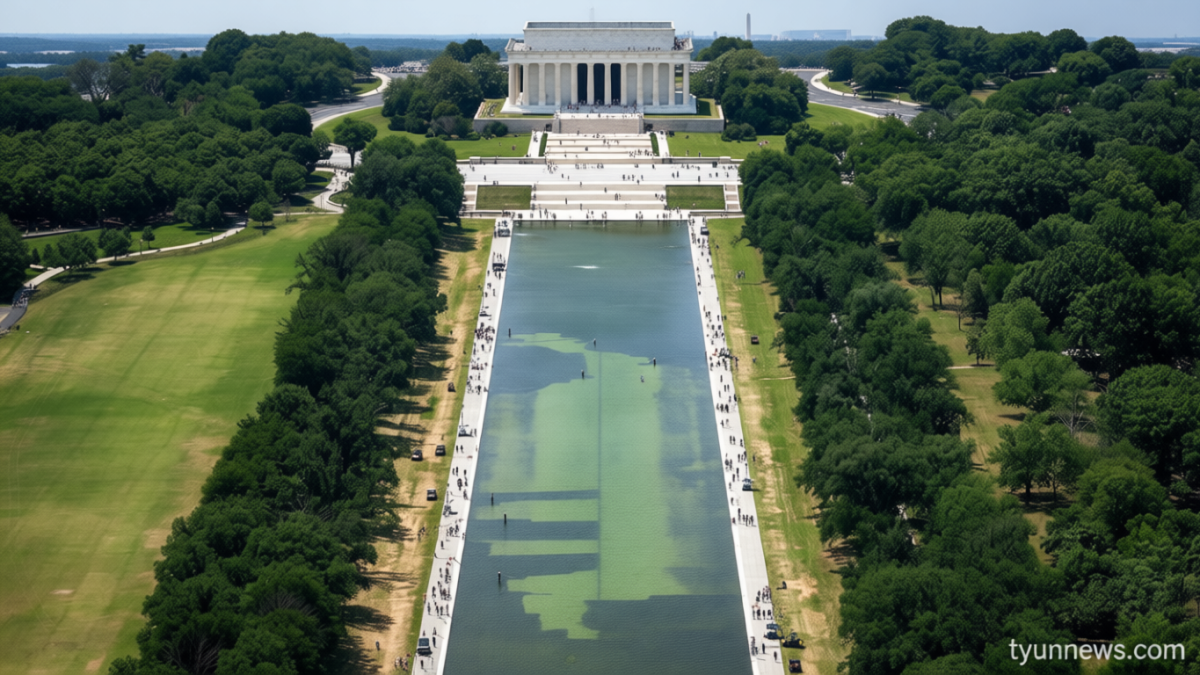
Recent aerial images from June 19, 2026, revealed workers battling against the algae bloom, which has stubbornly clung to the pool’s bottom. While Trump had promised the project would be completed within a week at a cost of around $1 million, the situation has escalated. The algae’s presence has not only marred the pool’s appearance but also sparked debates about the effectiveness of the cleanup methods and the project’s long-term sustainability.
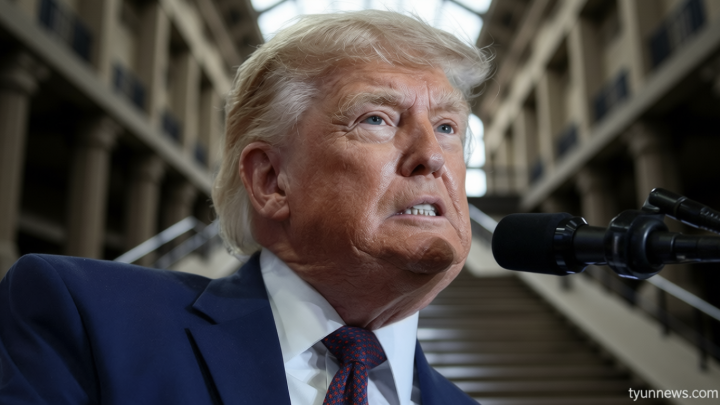
“You’re going to be very proud of it. It’ll last for 50 to 100 years before you have to do anything, with very strong, powerful substance that we used,” Trump stated earlier this month, touting the pool’s renewed look. Yet, as visitors now gather to take photos of the green algae patches, the promise of a lasting transformation remains unfulfilled.
Public Response and the Unintended Impact
Visitors to the Lincoln Memorial have responded with a mix of humor and curiosity, using the algae-covered pool as a photo opportunity. Some have joked about the rapid decline of Trump’s ambitious plan, while others have taken pieces of the peeling blue paint as souvenirs. This shift in attention highlights how the algae issue has turned a political statement into a cultural phenomenon, capturing the public’s imagination in ways the administration did not anticipate.
Meanwhile, environmental advocates have pointed to the algae outbreak as a sign of broader water quality challenges. The Department of the Interior’s use of hydrogen peroxide and nanobubble ozone technology has been met with both praise and skepticism. While these methods aim to address the issue, critics argue that the algae’s persistence underscores the need for more comprehensive ecological management, particularly in maintaining the pool’s historic integrity.
The cost of the project has also grown significantly, exceeding initial projections. Originally budgeted at $14.65 million, the renovation has now surpassed $16 million due to extended efforts to combat the algae. This financial strain has raised questions about the project’s priorities and the balance between political symbolism and practical upkeep. As the pool continues to draw attention, its role as a site of both national pride and public debate becomes more pronounced.
With the algae issue dominating headlines, the Lincoln Memorial Reflecting Pool now stands as a microcosm of the challenges faced by public infrastructure projects. While Trump’s vision sought to create a visually striking monument, the algae’s presence has sparked conversations about environmental resilience and the unforeseen consequences of such high-profile initiatives. The pool’s transformation into a green, murky spectacle has not only changed its appearance but also redefined its narrative in the public eye.