Lincoln Memorial Reflecting Pool Renovations Exceed $16 Million
Tyunews.com – The Lincoln Memorial Reflecting Pool, a iconic feature of Washington, D.C., is undergoing a major overhaul that has already surpassed its projected budget. According to federal contract records, the total cost of the renovation project now exceeds $16 million, with the latest figures revealing a significant increase from the original estimate. This development has sparked discussions about the financial implications and the decision-making process behind the project, which includes both resurfacing and the installation of advanced water filtration systems.
Project Scope and Cost Breakdown
The renovation project encompasses several key components, from repainting the pool’s surface to upgrading its water treatment infrastructure. Initial reports indicated that the resurfacing alone would cost around $14.65 million, but the addition of the “nano bubble” filtration system has pushed the total to over $16 million. The system, which aims to eliminate algae growth, was procured through a no-bid contract awarded to Green Water Solutions, an Ohio-based company. This method of contracting has drawn attention due to its lack of competitive bidding, raising questions about cost efficiency and transparency.
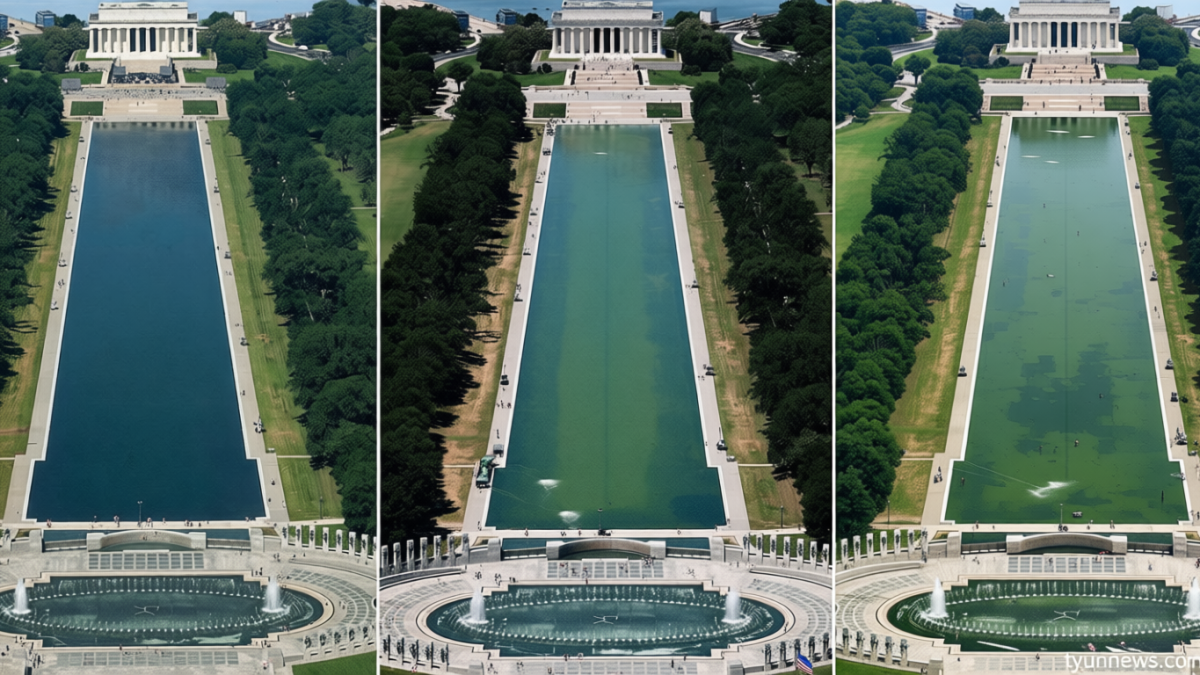
Contractors involved in the project have been tasked with a range of responsibilities, including applying a specialized paint to the pool’s surface. The paint, described in official documents as a “seamless, monolithic, waterproof, antimicrobial, and anti-algae system suitable for continuous submersion,” was chosen to ensure long-term durability and aesthetic appeal. However, early signs suggest that the paint may not have performed as expected, with reports of peeling and algae resurgence despite the upgrades.
Decision-Making and Public Reaction
The decision to proceed with the no-bid contracts has been a point of contention among officials and watchdog groups. While the National Park Service emphasized the need for timely completion, particularly ahead of the Fourth of July holiday, critics argue that the lack of competition could have led to higher prices. A spokesperson from the Interior Department stated, “The advanced nanobubbler technology has proven highly effective in eliminating algae that has plagued the Lincoln Reflecting Pool since its 1922 construction,” highlighting the project’s importance for maintaining the site’s historical and scenic value.
Despite the cost overruns, the project remains a priority for the federal government. Officials have defended the choice of contractors, noting their expertise in large-scale infrastructure projects. However, the increased expenditure has not gone unnoticed by the public. Some visitors have expressed concerns about the financial burden on taxpayers, while others commend the effort to preserve one of the nation’s most recognizable landmarks. The National Park Service has also acknowledged the challenges, including the need to address algae growth and ensure the pool’s functionality during peak tourist seasons.
As the renovation progresses, federal contractors are working to complete the remaining phases of the project. The budget for these efforts includes additional payments to Atlantic Industrial Coatings, which was responsible for the resurfacing. The company has received two further installments totaling $1.54 million, bringing their total contribution to $14.65 million. While the contract details provide a general overview of the work, they offer limited insight into the specific reasons for the cost increase or alternative options considered during planning.
With the project nearing its final stages, the focus remains on delivering a polished and sustainable result. The final cost of the renovations to cost more than $16 million underscores the complexities of balancing historical preservation with modernization. As the Lincoln Memorial Reflecting Pool prepares to reopen, the federal government’s commitment to maintaining this landmark continues to be a subject of both praise and scrutiny in the ongoing conversation about public spending and infrastructure upkeep.