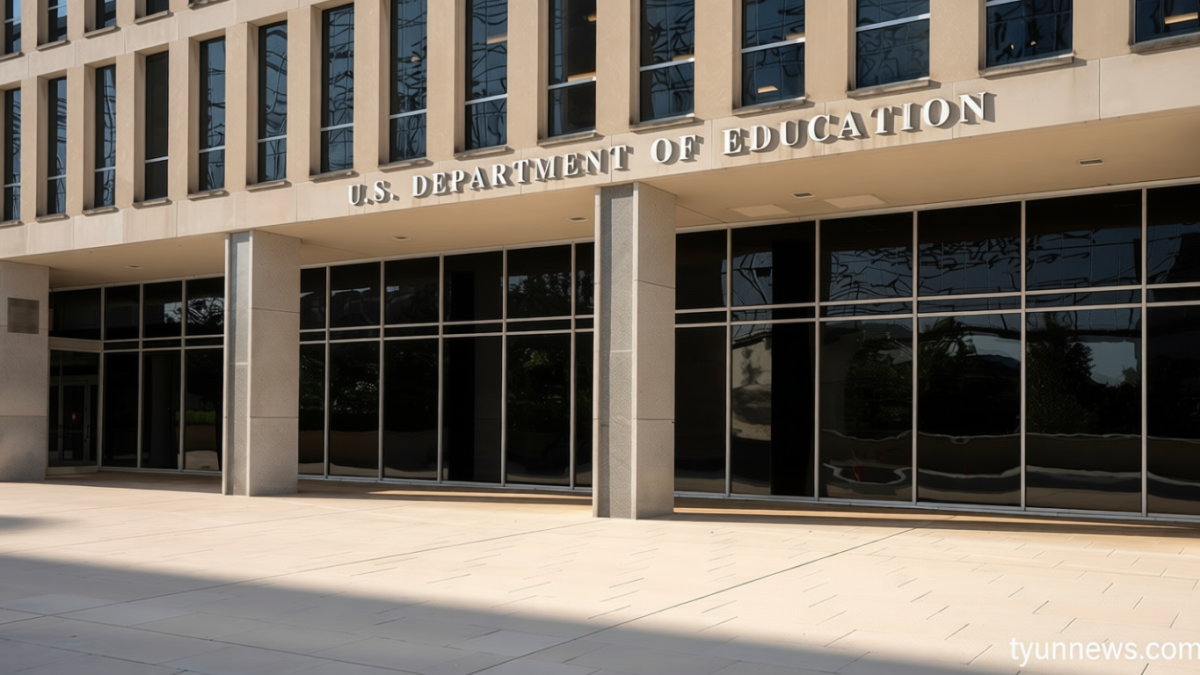
GAO Investigating Student Loan Transfers to Treasury Dept., Warren Says
Tyunews.com – Sen. Elizabeth Warren, D-Mass., has prompted a federal inquiry into the Trump administration’s decision to transfer student loan services to the Department of the Treasury, according to a letter from the Government Accountability Office (GAO) shared with ABC News. The nonpartisan watchdog, which operates as a congressional oversight body, confirmed its intent to expand its review of the Education Department’s interagency agreements, joining an ongoing probe into the functions of the Education and Labor departments. The GAO’s findings could shed light on how the shift in responsibilities has affected programs critical to student borrowers and educational institutions.
Warren’s Campaign Against Education Department Dismantling
The probe, initiated by Warren, focuses on allegations that the Trump administration is undermining the Education Department by moving essential functions to agencies with limited expertise in education. “This move is harming students, families, and teachers by stripping the Education Department of vital programs and sending them to agencies ill-equipped to handle them,” Warren stated in a Wednesday interview with ABC News. She emphasized that the independent investigation marks a significant advancement in her efforts to safeguard educational initiatives and prevent further erosion of federal support for schools.
“The Trump administration is hurting students, families, and teachers by ripping important programs out of the Education Department and shipping them off to agencies with no expertise,” Warren told ABC News on Wednesday.
The GAO’s action follows sustained pressure from Warren and Sen. Bernie Sanders, I-Vt., who have called for a thorough examination of the Education Department’s alleged “illegal” reduction of its responsibilities. The watchdog is now set to assess the impact of the recent agreement with the Treasury, which relocated the student loan portfolio from the Education Department to the Treasury. This transfer could significantly influence the handling of defaulted loans, affecting millions of Americans who have not fulfilled their debt obligations for over nine months or 270 days.
When a student loan enters default, it becomes subject to mandatory collection processes. These actions can damage credit scores and interfere with social security benefits. The GAO’s upcoming review aims to evaluate whether the Treasury is capable of managing these responsibilities effectively, or if the transfer has introduced new challenges for borrowers.
GAO’s Mandate and Broader Context
The Government Accountability Office (GAO), a nonpartisan watchdog, works to provide timely, fact-based, and impartial information to enhance government operations. Its new initiative builds on previous concerns raised by lawmakers about the efficiency and transparency of interagency agreements. Warren and Sanders argue that these partnerships have created unnecessary bureaucratic hurdles and administrative inefficiencies, particularly in programs like adult education, family literacy, and career and technical education (CTE).
According to the GAO letter, the review of the transference of student loan default collections from Education to the Treasury is set to begin this summer. The watchdog’s focus on the Treasury’s role in managing these functions underscores the urgency of the issue. Critics contend that the move has disrupted the continuity of services, while supporters highlight the potential for improved financial oversight.
Warren’s campaign against the dismantling of the Education Department has taken on a multifaceted approach over the past year. It combines federal investigations, oversight mechanisms, storytelling, and even legal action to exert checks on the administration. In April, she sought to halt the transfer of federal student aid services, aiming to prevent the agency’s further erosion. Her efforts align with broader concerns about the impact of the Trump administration’s policies on educational infrastructure.
Department of Education’s Justification for the Transfer
Ellen Keast, the Department of Education’s press secretary for higher education, defended the transfer, stating, “We are confident that our partnership with the Treasury, an experienced and proven fiduciary, will strengthen program administration and better serve American students, borrowers, and taxpayers.” The Education Department announced in March that it was sending the nation’s nearly $1.7 trillion student loan portfolio to the Treasury, citing the need for a “hard reset” in loan procurement services.
According to the Department of Education, the shift to the Treasury was necessary to streamline operations and improve financial management. The GAO’s investigation, however, questions whether this restructuring has compromised the expertise required to manage student loan programs. Critics argue that the Education Department’s deep understanding of educational needs has been sidelined in favor of a more finance-focused approach.
White House’s Defense of the Policy
A White House spokeswoman, Liz Huston, echoed the Department of Education’s stance, stating, “President Trump promised to dismantle the federal education bureaucracy and return education back to the states where it belongs.” The statement emphasized the administration’s belief that the transfer would lead to more efficient programs after years of mismanagement. Huston added that leveraging the Treasury’s financial expertise would benefit students, borrowers, and taxpayers alike.
The GAO’s inquiry into the Treasury’s role in student loan management is part of a larger effort to scrutinize the Trump administration’s restructuring of federal agencies. This comes as the Senate continues to debate the implications of such changes, with some lawmakers highlighting the potential risks to educational programs and others defending the move as a necessary reform.
Meanwhile, the Department of Labor has also been scrutinized for its agreements with the Education Department, which have reportedly caused delays in administering adult education and career and technical education (CTE) programs. The senators argue that these partnerships have introduced inefficiencies, complicating the delivery of vital services to students and educators. The GAO’s review is expected to provide clarity on whether these interagency collaborations have improved or hindered program effectiveness.
The ongoing investigation reflects a growing concern about the Trump administration’s approach to federal agencies. Warren’s campaign, which has targeted the Education Department’s restructuring, is part of a broader effort to protect educational institutions and ensure that critical services remain under informed oversight. The GAO’s findings could shape the future of student loan management and influence the debate over the balance between financial efficiency and educational expertise.
As the GAO prepares to evaluate the transfer’s impact, the issue remains a focal point for lawmakers and advocacy groups. The potential consequences for borrowers, including the risk of aggressive collections and credit damage, have raised alarms about the administration’s commitment to student welfare. The investigation underscores the importance of accountability in government operations and the need to maintain a robust framework for educational support. With the summer review underway, the outcome of this probe could have far-reaching implications for federal student loan programs and the agencies tasked with managing them.