Venezuela Earthquakes Live Updates: US Sends Search and Rescue Teams Amid Seismic Crisis
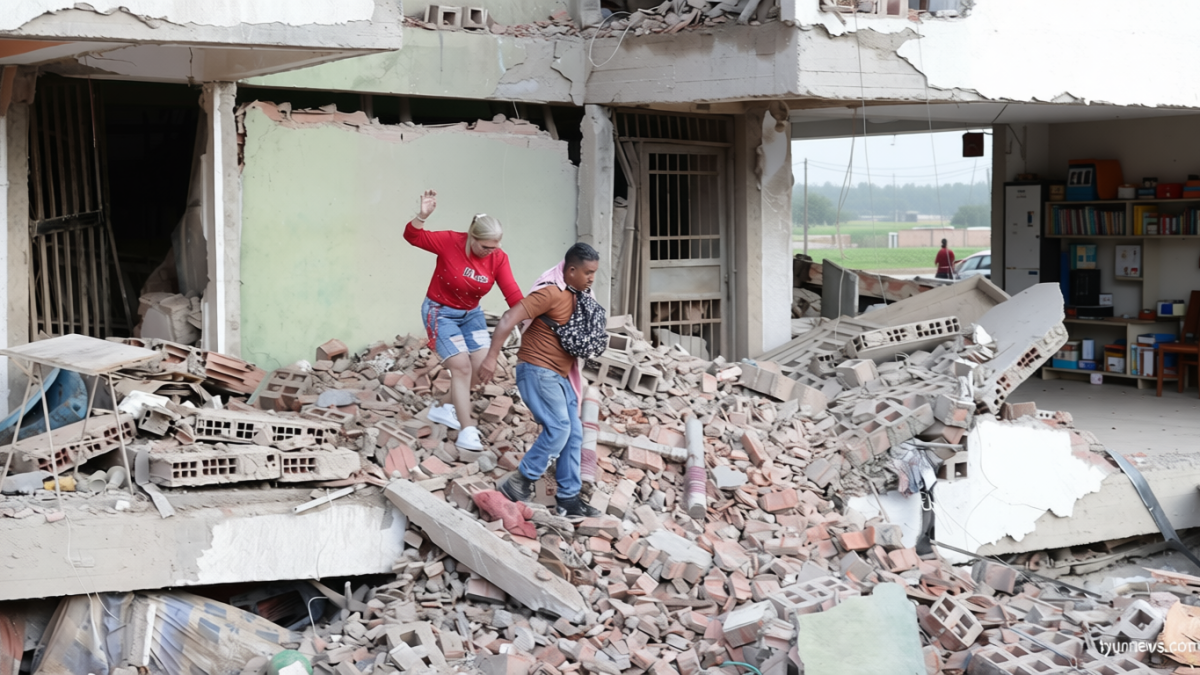
Tyunews.com – Two powerful earthquakes shook Venezuela’s coastal region on Wednesday evening, triggering widespread panic and devastation, as reported in Venezuela earthquakes live updates. The tremors, registering magnitudes of 7.2 and 7.5 within minutes of each other, struck near the Caribbean Sea, causing significant structural damage and displacing thousands of residents. Acting President Delcy Rodriguez confirmed the occurrence of the quakes and called for immediate action, emphasizing that Venezuela earthquakes live updates would provide ongoing coverage of the situation. The events have left communities in Caracas and surrounding areas scrambling for safety, with emergency services working tirelessly to assess the impact and respond to the crisis.
Seismic Impact and Immediate Response
The first earthquake, which occurred at 6:47 PM local time, was followed by a stronger second tremor at 6:52 PM, amplifying the destruction and chaos. Reports indicate that the quakes caused buildings to collapse, disrupted utilities, and left at least 200 people injured in the capital. Rodriguez, speaking in a televised address, described the situation as “a severe challenge for our country,” stressing the need for coordination between local and international teams. “We are intensifying our rescue operations to save as many lives as possible,” she said, while also urging citizens to remain calm and follow official guidelines. The scale of the disaster has prompted a nationwide mobilization of resources, with rescue teams deployed to high-risk zones.
“The ground shook violently, and we saw people running in all directions,” shared a survivor from a Caracas neighborhood, as quoted in Venezuela earthquakes live updates. “It felt like the end of the world.”
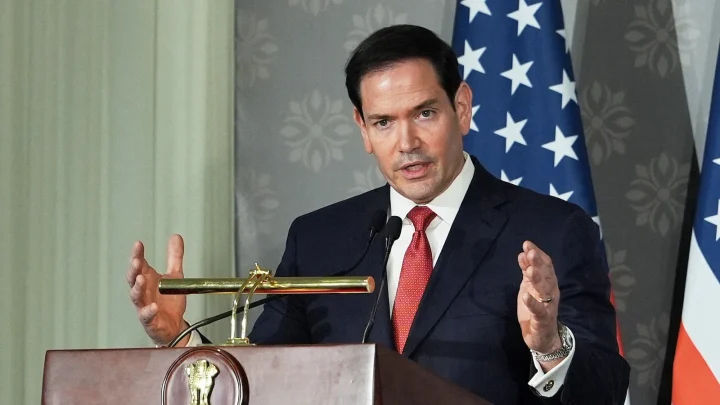
Following the quakes, officials confirmed that the area had experienced a series of aftershocks, some measuring up to 6.0 on the Richter scale. The tremors have exposed vulnerabilities in Venezuela’s infrastructure, particularly in older buildings and low-income housing. While the exact cause of the seismic activity remains under study, experts suggest that the region’s tectonic instability may have played a role. In response, the United States has pledged support, with Senator Marco Rubio announcing the dispatch of specialized search and rescue teams to assist in recovery efforts. The US government has also committed to providing humanitarian aid, including medical supplies and equipment for disaster relief.
Aftermath and Ongoing Challenges
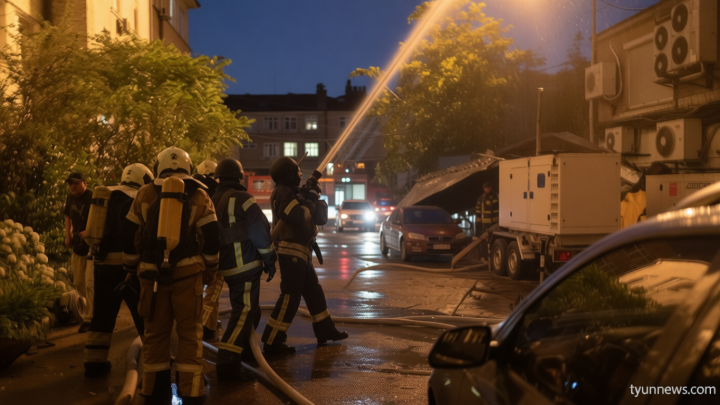
In the hours following the earthquakes, emergency responders and volunteers worked around the clock to rescue survivors trapped in the rubble. The Caracas region, known for its dense population and aging infrastructure, bore the brunt of the destruction. According to local officials, over 1,000 buildings were damaged, with at least 300 classified as partially or fully collapsed. The quakes also disrupted transportation networks, including the main highway connecting Caracas to other parts of the country, complicating the movement of aid and personnel. As Venezuela earthquakes live updates continue to track the situation, the focus remains on stabilizing affected areas and preventing further casualties.
Meanwhile, the government has launched a national emergency declaration, activating contingency plans for disaster response. Rodriguez highlighted the importance of international collaboration, stating that “Venezuela earthquakes live updates will keep the global community informed about our progress.” However, challenges persist, including the need for more resources to address the extensive damage and the potential for additional tremors in the coming days. The World Health Organization and other agencies have been monitoring the situation closely, with reports suggesting that the quakes may have affected water supply systems and caused landslides in mountainous regions.
Global Solidarity and Future Preparedness
As the crisis unfolds, Venezuela has received offers of assistance from multiple countries, including neighboring Colombia and the European Union. The US search and rescue teams, equipped with advanced technology and trained personnel, are expected to arrive within 48 hours to support local efforts. “This is a moment of solidarity,” said Rubio in a statement, adding that the US team would work alongside Venezuelan authorities to “ensure the most efficient and effective response.” The involvement of international teams has bolstered morale among affected communities, though many remain anxious about the long-term implications of the earthquakes.
In the wake of the disaster, discussions have intensified about the need for improved earthquake preparedness in Venezuela. The quakes have highlighted the country’s reliance on aging infrastructure and the urgency of upgrading building codes. Experts warn that without significant investment in seismic-resistant construction, future events could have even more devastating consequences. “The focus must shift from reaction to prevention,” said a geologist in Venezuela earthquakes live updates, calling for a comprehensive review of the nation’s disaster management strategies. As the country begins the long road to recovery, the global community has pledged to provide technical and financial support to enhance resilience against future seismic threats.