Trump Admin Blocks Climate Change and Diversity Content at National Sites
Tyunews.com – The Trump administration is actively working to prevent the reinstatement of historical markers and exhibits that emphasize climate change and diversity at national parks and heritage sites. This initiative follows a court order mandating the return of materials removed in May 2025, including content on environmental issues and exhibits showcasing the contributions of marginalized communities. The Department of the Interior, via the National Park Service (NPS), has submitted an appeal to the U.S. Court of Appeals for the First Circuit, requesting a preliminary injunction to halt the restoration process before the America 250 commemorations on July 4. Critics argue that the move aims to reshape historical narratives to align with the administration’s ideological priorities.
Preserving National Narratives or Altering Historical Context?
Under the legal order issued by Judge Angel Kelley, all removed content—ranging from climate change displays to exhibits on civil rights and diverse communities—must be returned within 21 days. The administration maintains that these changes, which include the removal of dozens of interpretive signs, are necessary to preserve the “integrity” of national parks by promoting a more unified historical perspective. A spokesperson for the Interior Department defended the action, stating that the goal is to “preserve American dignity” and “ensure meaningful conversations” about the nation’s past. However, opponents claim this approach marginalizes important aspects of history, such as environmental impacts and racial diversity, in favor of a more conservative narrative.
“We fully believe politically charged language denigrating our Founding Fathers is inappropriate and only further divides Americans,” the statement said. “Through President Trump, we have encouraged Americans to visit our cultural and historic sites and engage in meaningful conversations about the moments that have shaped our country.”
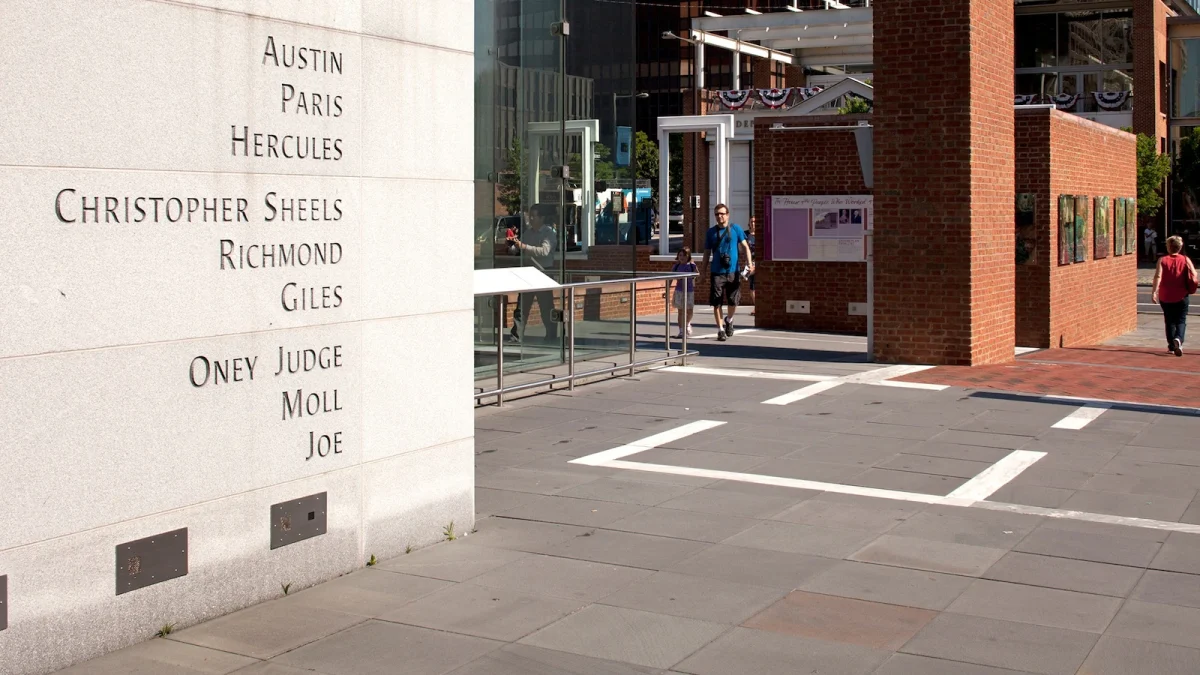
The controversy has gained traction at key locations like the President’s House in Philadelphia, where a slavery exhibit highlighting the lives of nine enslaved Africans who lived in George Washington’s household was removed in January 2025 under an executive order signed by Trump. The order directed federal agencies to eliminate “divisive, race-centered ideology” from cultural institutions. While the NPS partially restored the display in February, the administration continues to challenge its full reinstatement. This decision reflects a broader effort to control historical messaging, with legal battles intensifying over the next few months.
Impact on National Parks and Visitor Experiences
Glacier National Park in Montana and Acadia National Park in Maine have seen significant changes, with climate change-related content removed from interpretive panels. Similarly, Grand Teton National Park and Grand Canyon National Park have had materials about Native American history and labor rights taken down. The judge in the case criticized these actions, calling them “arbitrary and capricious” and warning of a “dangerous precedent of censorship” in shaping historical narratives. This shift has sparked debates about how national parks should balance historical accuracy with contemporary perspectives, affecting both educational value and visitor engagement.
“Under the guise of promoting American dignity, this Administration seeks to share a limited history by ordering the removal of all signs, displays, and interpretive exhibits at National Parks that do not align with its preferred narrative, thereby telling half-truths,” the judge wrote. “Not only does this undermine the integrity of the National Parks; it sets a dangerous precedent of censorship and sanitization.”
Supporters of the administration argue that the changes are essential to reflect a “consensus” version of history, emphasizing national unity over divisive topics. They contend that the restoration of climate and diversity content could lead to “political bias” in public spaces. Meanwhile, historians and educators warn that such alterations risk erasing critical historical truths, particularly those related to systemic issues like slavery and environmental degradation. The ongoing legal battles highlight the tension between preserving historical heritage and adapting it to contemporary ideological frameworks.
Public Reaction and Historical Reevaluation
Public response to the administration’s actions has been divided, with some praising the effort to “streamline” historical content and others condemning it as an attempt to control the narrative. Social media campaigns have emerged, with activists calling for the full restoration of the removed exhibits and emphasizing their importance in educating the public about the nation’s complex history. A recent poll found that over 60% of Americans believe historical sites should include information on both climate change and diversity, indicating widespread support for the court’s initial order.
The case has also drawn attention to the broader implications for historical education. Organizations like the National Trust for Historic Preservation have voiced concerns, stating that the administration’s approach threatens to “nationalize” historical interpretation. By focusing on the “Trump admin seeks to block” restoration of materials, the legal challenge has become a symbol of the debate over whether historical sites should serve as neutral educational spaces or platforms for political messaging. As the America 250 commemorations approach, the outcome of this dispute could set a precedent for future historical revisions.